
White Cloth Table (Bóveda)
Ancestral Altar in Espiritismo: Honoring the Past, Connecting in the Present
Discover the profound significance of the ancestral altar in Espiritismo, a sacred space where the past is honored and connections with spirits are forged. Explore the rituals, symbolism, and practices that make the ancestral altar a powerful bridge between generations and a source of guidance in the present.
By Bogarth GalvanAugust 16, 20233 min read
- Written by initiated practitioners
- Tradition-checked by elders
- Trusted by 12,000+ readers
- Ships next business day
Ancestral Altar in Espiritismo: Honoring Your Roots
Establishing an ancestral altar in Espiritismo invites you to explore a sacred practice that forms a bridge between the realms of the living and the departed. The ancestral altar serves as a potent symbol of remembrance and connection within the tradition. In this article, we will delve into the history, significance, and rituals that make the ancestral altar a cherished tradition for those seeking to honor their heritage and forge connections with ancestral spirits.
The Significance of the Ancestral Altar in Espiritismo
The ancestral altar is a central element in Espiritismo, embodying the belief that the spirits of the departed continue to influence and guide the living. This altar serves as a tangible space where offerings, prayers, and intentions are dedicated to ancestors, creating an environment for communication and spiritual exchange. If you are just beginning your practice, you may want to review our Beginner's Guide to Altar Setup for more foundational tips.
Constructing the Altar
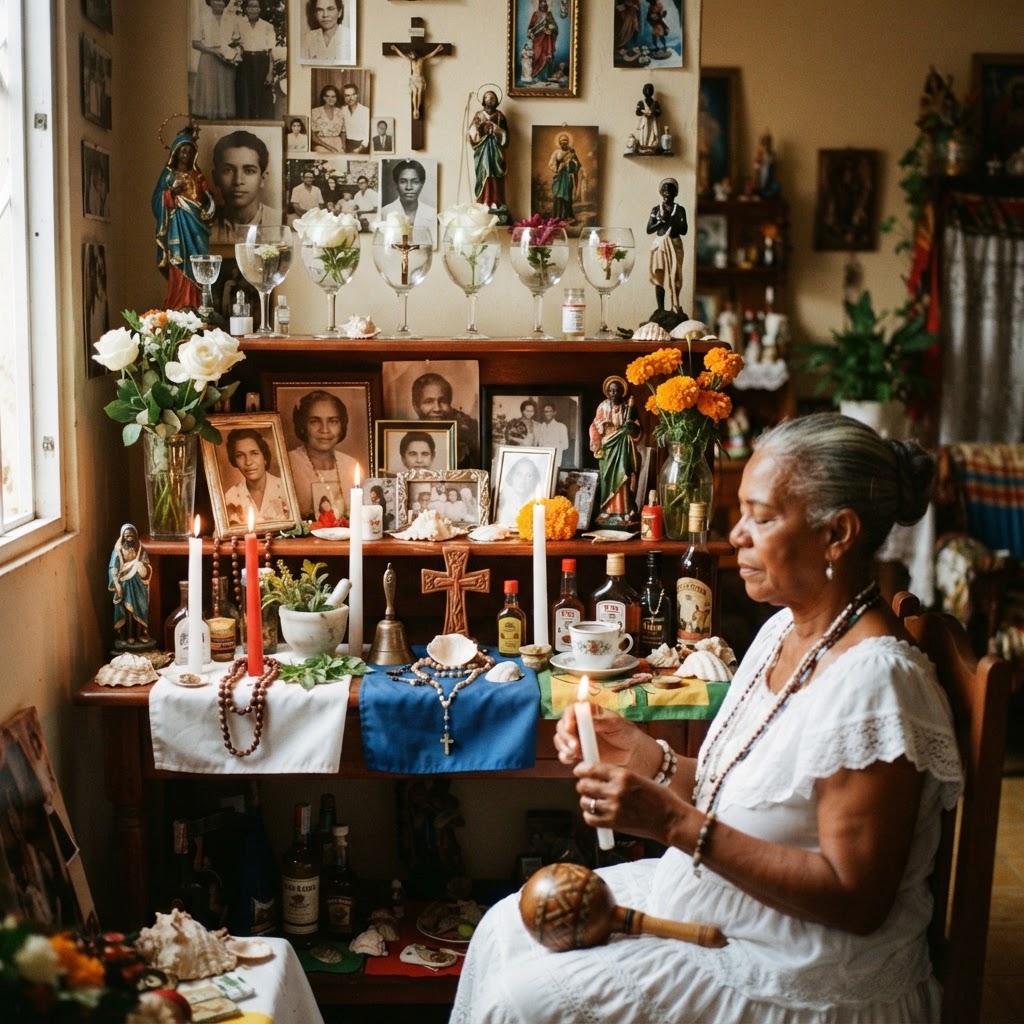
Creating an ancestral altar involves thoughtfully arranging symbolic items that represent the presence of ancestors. Candles, representing light and connection, are a common feature. Pictures of ancestors, personal mementos, and favorite items of the departed are also placed on the altar. This arrangement acts as an open invitation for spirits to visit and interact with the living.
Rituals and Offerings
Rituals conducted at the ancestral altar are an essential part of the practice. Through offerings of food, drinks, flowers, and incense, practitioners express their gratitude and respect for their ancestors. These offerings are seen as a way to nourish and sustain the spirits, fostering a continuous bond between the realms.
If you feel called
Pieces devotees pair with this reading

Every piece ships unconsecrated so your elder can prepare it. Free US shipping over $95 · 14-day returns.
Nurturing Relationships
The ancestral altar fosters ongoing relationships with departed loved ones. By dedicating time to the altar, practitioners create a connection that transcends the physical world. This practice allows for ongoing dialogue, advice, and guidance from ancestors who possess wisdom gained from their own life experiences.
Messages and Insights
Practitioners often seek messages and insights from the spirits through the ancestral altar. During quiet moments of reflection and meditation, individuals may receive subtle guidance, comfort, and inspiration. This interaction deepens the bond and reinforces the belief that the spirits are actively involved in the lives of the living.
Spiritual Guidance and Heritage
The ancestral altar serves as a source of spiritual guidance, providing answers to life's challenges. When faced with decisions, practitioners may turn to their ancestors for advice, trusting that their wisdom transcends time. Furthermore, it is a profound way to connect with one's cultural heritage and lineage, preserving the stories and values passed down through generations.
Lucumí vocabulary
Learn the words as you read
The vocabulary behind these articles, explained term by term.
No spam. Unsubscribe anytime.
Everything we send is a starting point. Ritual work belongs in the hands of an initiated elder — find yours before you begin.
The Ancestral Altar as a Catalyst
The ancestral altar often catalyzes personal growth and transformation. By seeking insights from ancestors, practitioners gain a broader perspective on their own journeys, learning from the experiences of those who came before them.
Addressing Misconceptions
Misconceptions may arise from a lack of understanding. Some might interpret it as a form of idol worship or superstition. However, at its core, the ancestral altar is a means of paying deep, reverent homage and maintaining a spiritual connection with those who watch over us.
FAQs about the Ancestral Altar
Q: Is the ancestral altar exclusive to Espiritismo? A: While the ancestral altar is a central practice in Espiritismo, similar practices are found in various cultures worldwide. Q: Can I communicate with specific ancestors? A: Yes, the altar provides a platform for communication with departed loved ones, family members, and close friends. Q: How often should I tend to the altar? A: Regular attention is essential to maintain the connection; weekly upkeep is a common recommendation.
Conclusion
The practice of honoring the ancestors is a sacred tradition that transcends time, fostering connections between generations and providing guidance in the present. Through the construction of altars, rituals, and offerings, practitioners maintain a living bond, drawing wisdom and support from the spirit realm. This practice stands as a testament to the enduring power of love, remembrance, and the deep spiritual lineage of Espiritismo.
Written by
Bogarth Galvan
Initiated practitioner and writer at SanteriaGuide. Articles are reviewed by elders of the house before publication.
Before you decide
Frequently asked questions
From the community
What practitioners say
“As an aleyo I was nervous about buying the wrong thing. Their guides made it simple.”
Danielle P. · Atlanta, GA · Verified buyer
“The starter guide answered questions I was too shy to ask my padrino.”
Marcus T. · Chicago, IL · Verified buyer
“Clear explanations, no gatekeeping, and genuinely handmade pieces.”
Sofía G. · Los Angeles, CA · Verified buyer
Authenticity guaranteed
Handmade by initiated Santeros using traditional materials.
Fast, careful shipping
Ships next business day, wrapped for the altar.
30-day returns
Unused, unconsecrated pieces returned without fuss.
Secure checkout
Encrypted payment, card details never stored.
Related collection · View all 3 pieces
Nana Burukú Elekes, Mazos, Ildés & Pinaldos
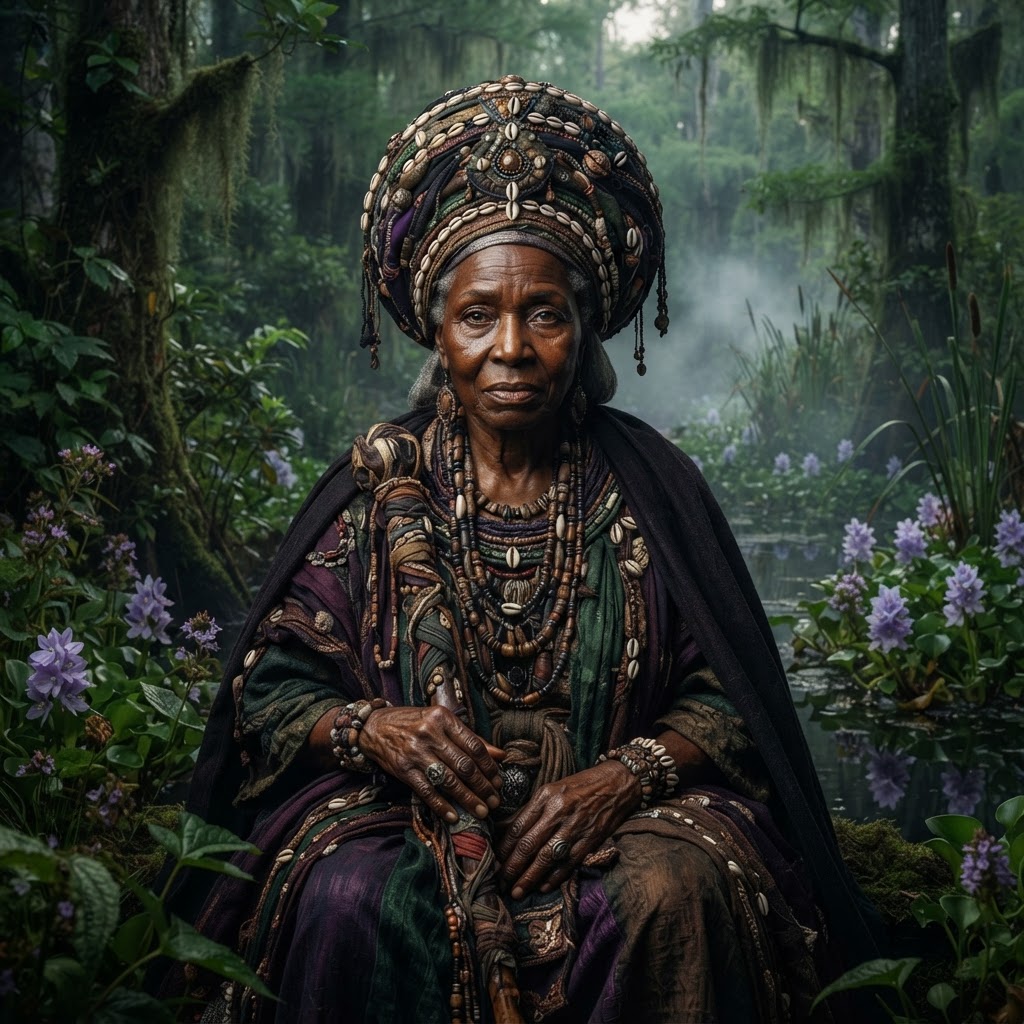
Nana Burukú elekes, mazos, ildés and pinaldos — handmade pieces in purple, black and white, the colours of the primordial Orisha of the earth, of mystery and of ancient knowledge.
Keep reading
Related articles
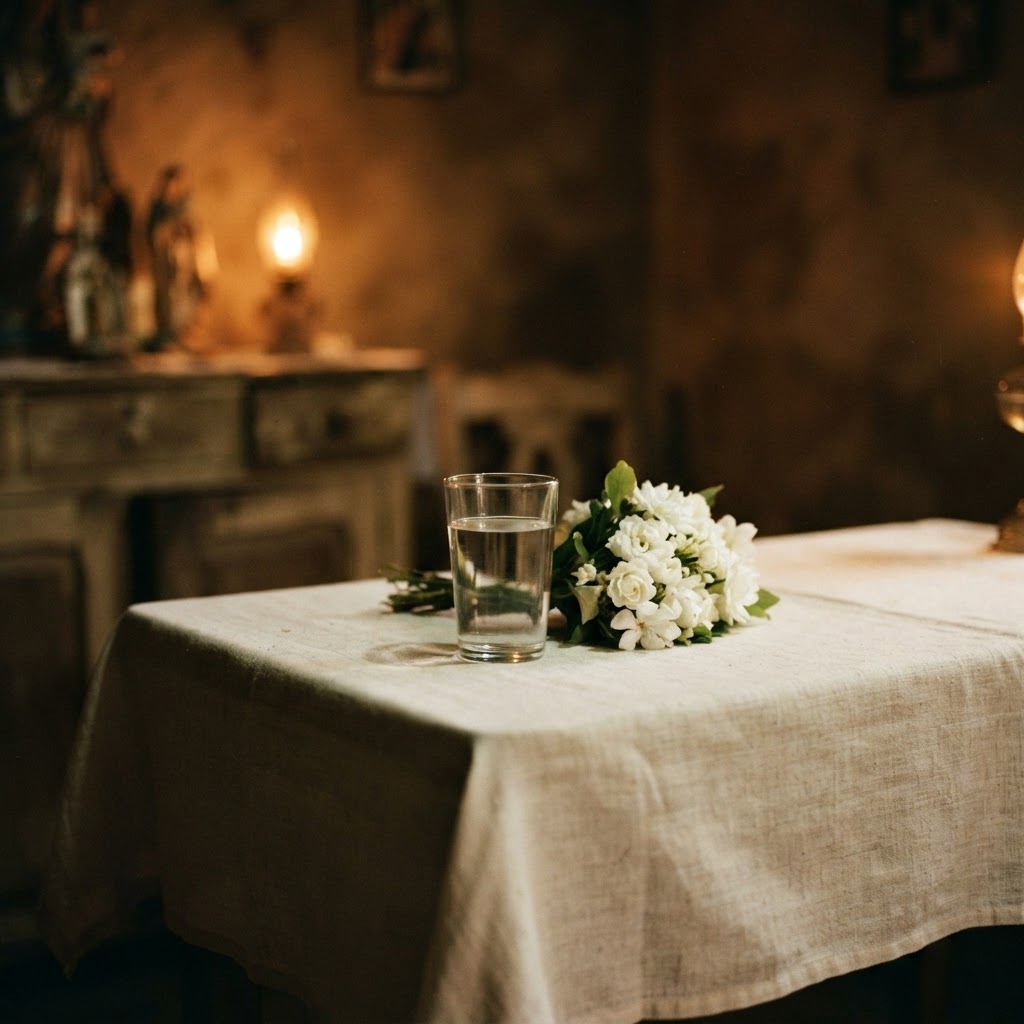
What Goes on a Bóveda: A Guide to the White Table
SanteriaGuide· Oct 19, 2026
EspiritismoAncestorsBóvedaSpiritual Practice
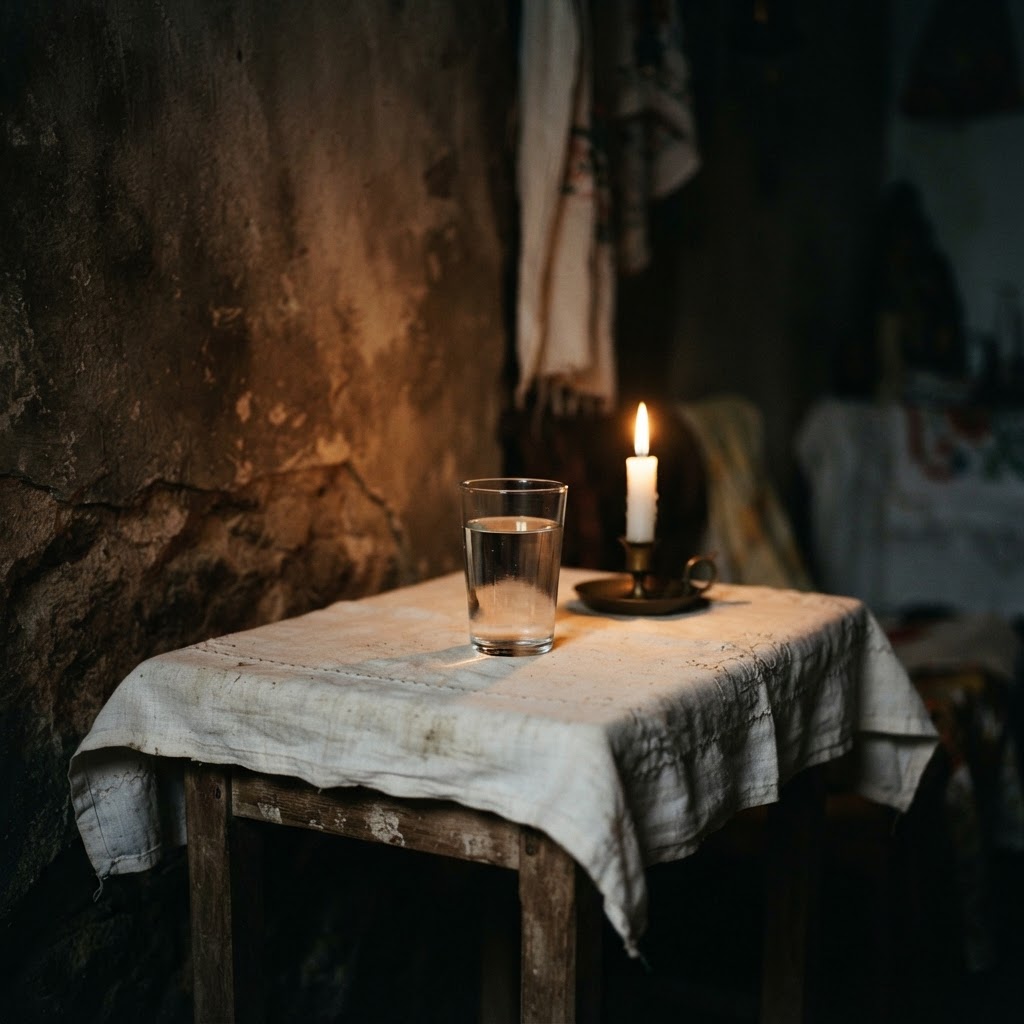
The Bóveda: Building and Caring for Your White Table
SanteriaGuide· Sep 30, 2026
EspiritismoAncestorsBóvedaSpirituality
The Planes of Espiritismo: Understanding Its Spiritual Cosmology
SanteriaGuide· Oct 30, 2026
EspiritismoSpiritualityCosmologyAncestors