Collar De Bandera
Handmade by initiated Santeros · unconsecrated, ready for your elder
Ships next business day
$40.00
✦ Free U.S. shipping over $65 · Handmade by initiated devotees · Ships next business day from Texas ✦
Demystify the sacred objects of Santería by learning the distinct roles and meanings of elekes, ildés, and mazos in the Lucumí tradition.
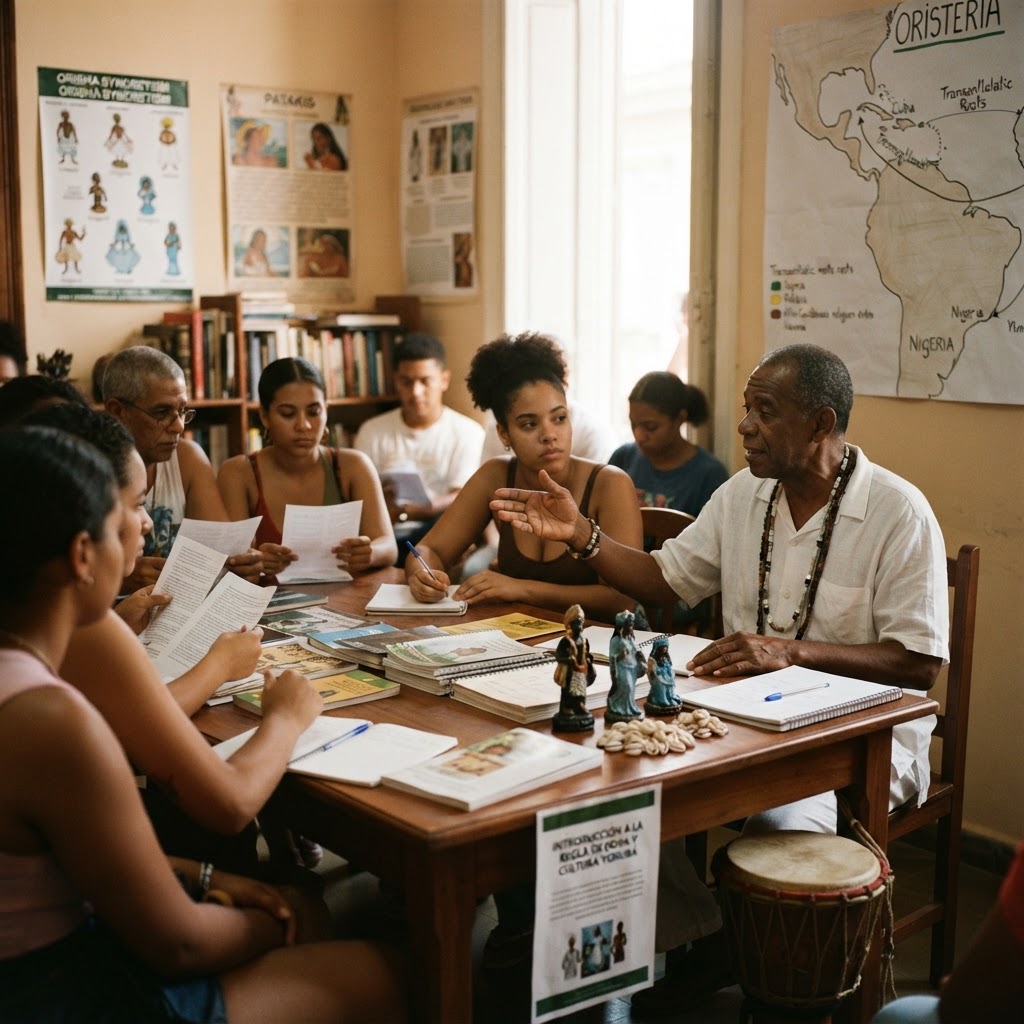
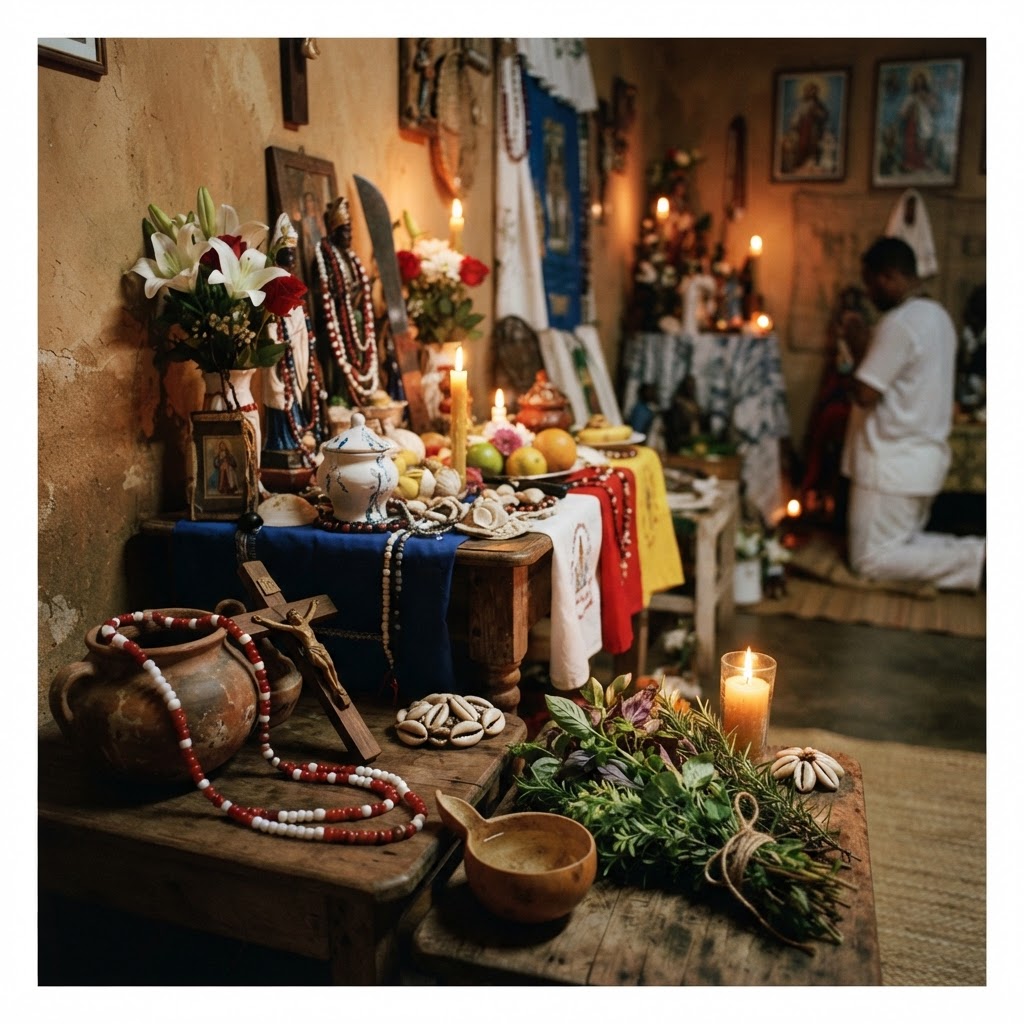
In the vibrant and profound world of Santería (Lucumí), the items we wear and use for our Orishas are far more than mere decoration. They are conduits of ashe, physical manifestations of our commitment to the tradition, and sacred tools that bridge the gap between the mundane and the divine. For newcomers and even seasoned practitioners, understanding the distinction between elekes, ildés, and mazos is a fundamental part of the journey.
When you walk the path of the Ocha, you will encounter various types of sacred objects. Whether you are seeking to understand the tools of your godparent or preparing for your own milestones, clarity is essential. Respect for these items starts with knowing exactly what they are and how they function in our daily Lucumí tradition.
Elekes (often referred to as 'collares') are beads specifically consecrated to the Orishas. They represent the protection and blessing of the Orishas and are given during specific ceremonies by an initiated godparent. They are not merely jewelry; they are a sign of one’s entry into the religion and a constant reminder of the covenant one has made with the Orisha.
Similar to elekes, an Ildé is a consecrated bracelet that denotes an individual's connection to an Orisha. It is important to note that, traditionally, Ildés are only intended to be worn by those who have been crowned with that specific Orisha. The notable exception is the Ildé of Orunmila, which is received upon the ceremony of the Mano de Orula or Hand of Ifá. If you are curious to learn more about this foundational rite, we invite you to explore our guides: What is Mano de Orula?. While people often ask about the proper use of these symbols, it is vital to remember the importance of using items honoring Orishas with proper consecration. An Ildé is a personal, sacred marker of one's spiritual work.
Unlike the wearables discussed above, a mazo is an ornate, multi-strand beaded creation designed to adorn the sopera (tureen) where an Orisha resides. These are masterpieces of devotion. Whether you are looking for an Shangó Crystal Mazo or an Oshún Crystal Mazo, these items serve to beautify the Orisha's throne and symbolize the abundance and honor we bestow upon them. Many practitioners find that using handmade items enhances the energy of their sacred space significantly.
Related tools
Handmade by initiated Santeros · unconsecrated, ready for your elder
$40.00

Handmade by initiated Santeros · unconsecrated, ready for your elder
$30.00

Handmade by initiated Santeros · unconsecrated, ready for your elder
$30.00
Every piece ships unconsecrated so your elder can prepare it. Free US shipping over $95 · 14-day returns.
At SanteriaGuide, we believe that the tools you place on your altar should reflect the dignity of the Orishas. From the deep blue of a Yemayá Okuté Crystal Mazo to the grounded energy of an Ogun Crystal Mazo, each piece is crafted with intention. If you are preparing an offering for a specific Orisha, such as when you prepare an addimú for Yemayá, having a well-adorned sopera creates the appropriate atmosphere for your work.
The dedication to excellence in craftsmanship is part of what sets our community apart. Whether you are looking for an Obatalá Crystal Mazo or an Elegua Crystal Mazo, you want materials that endure and carry the right vibration. You can learn more about where to source the best items to ensure your altar remains a powerful focal point of your spiritual practice.
Before you begin
What to ask before any ritual work begins — and what only an initiated elder can answer.
No spam. Unsubscribe anytime.
Everything we send is a starting point. Ritual work belongs in the hands of an initiated elder — find yours before you begin.
In Santería, the tools we use are extensions of our faith. By understanding the differences between the items you wear and those that adorn the Orishas, you cultivate a deeper respect for the tradition. Always remember that your journey is unique, and as you advance, the hierarchy of your practice will guide you in how to utilize these sacred items effectively.
Written by
SanteriaGuide Editorial Team
Initiated practitioner and writer at SanteriaGuide. Articles are reviewed by elders of the house before publication.
Before you decide
From the community
“The irofá arrived ready for work — solid, balanced, exactly as my babalawo wanted.”
Omar B. · Union City, NJ · Verified buyer
“Used the mazo in my iyawó year. It held up through everything.”
Lisette F. · Tampa, FL · Verified buyer
“Every knot tight, every bead correct. These people know the tradition.”
Rafael O. · Bronx, NY · Verified buyer
Authenticity guaranteed
Handmade by initiated Santeros using traditional materials.
Fast, careful shipping
Ships next business day, wrapped for the altar.
30-day returns
Unused, unconsecrated pieces returned without fuss.
Secure checkout
Encrypted payment, card details never stored.
Related collection · View all 32 pieces
Mazos de Orisha — ritual bundles wrapped by hand in the traditional colours and structure of each Orisha, made for the altar, for devotional practice and for gifting to a godchild.
Keep reading