Collar De Bandera
Handmade by initiated Santeros · unconsecrated, ready for your elder
Ships next business day
$40.00
✦ Free U.S. shipping over $65 · Handmade by initiated devotees · Ships next business day from Texas ✦
Discover what a Palero is and learn about the roles and titles within Palo Mayombe, including the significance of initiations and the structure of a casa templo.
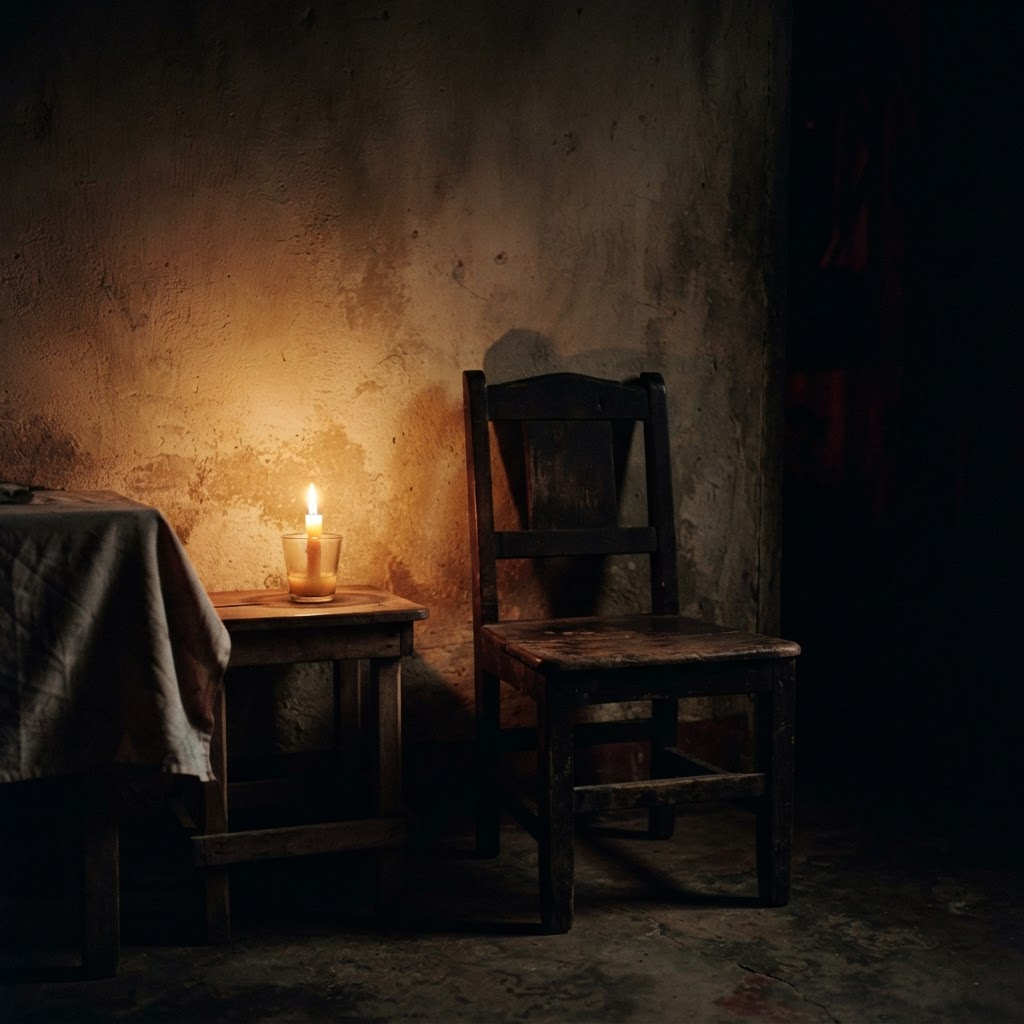
In the rich tapestry of Afro-Cuban traditions, the term Palero is one that carries significant weight, responsibility, and history. If you are new to the study of Palo Mayombe, you may have encountered various titles and roles that seem confusing at first glance. Understanding these terms is essential for anyone looking to learn about the tradition with the respect and gravity it deserves. To put it simply, a Palero is a male practitioner who has undergone the necessary initiations within the Palo Mayombe religion. It is a title earned through years of dedication, study, and the guidance of a spiritual elder, rather than a label one simply gives to oneself. By learning about the roles of tata, yayi, and the various ramas (branches) like Mayombe, Briyumba, and Kimbisa, you gain a clearer picture of how this complex and beautiful spiritual system functions within its community, the casa templo.
It is important to emphasize that in Palo Mayombe, titles follow initiation and are never self-applied. The journey begins long before one earns a title. When a person seeks out the tradition, they are usually looking for spiritual healing, balance, or guidance. Over time, as a practitioner matures within their casa templo (house or temple), they are recognized for their commitment and their service to the spirits and the community. You can find more foundational information on our Palo Mayombe 101 page to better understand the scope of the faith. The roles are structured to ensure that knowledge is passed down correctly from one generation to the next, maintaining the integrity of the lineage.
Within the house, specific titles denote the level of knowledge and responsibility a practitioner carries. A Tata Nganga (often shortened to Tata) is an initiated man who has gained deep experience and authority. The female equivalent is the Yayi. These figures serve as the godparents—the padrinos and madrinas—who shepherd new initiates through the process. A Padrino or Madrina is not just a teacher; they are a spiritual parent who provides the foundation for the initiate's relationship with the mpungos and the ancestral spirits. Their guidance is vital, as the path of Palo is one of practical experience and direct engagement with the forces of nature.
Related tools
Handmade by initiated Santeros · unconsecrated, ready for your elder
$40.00

Handmade by initiated Santeros · unconsecrated, ready for your elder
$45.00

Handmade by initiated Santeros · unconsecrated, ready for your elder
$45.00
Every piece ships unconsecrated so your elder can prepare it. Free US shipping over $95 · 14-day returns.
Palo Mayombe is not a monolith; it consists of various ramas or branches that reflect different historical and regional influences. Three of the most recognized branches are Mayombe, Briyumba, and Kimbisa. While they share the same core reverence for ancestors and the forces of nature, each branch has its own specific liturgical traditions, songs, and ritual procedures. It is essential to remember that regardless of the branch, the structure of the casa templo remains the constant. The house provides the sacred space where the community gathers to celebrate, work, and grow. For those interested in the physical tools of the faith, such as the Mpaka eleke, it is important to understand that these items are only meaningful when they come from a recognized and established lineage.
Before you begin
What to ask before any ritual work begins — and what only an initiated elder can answer.
No spam. Unsubscribe anytime.
Everything we send is a starting point. Ritual work belongs in the hands of an initiated elder — find yours before you begin.
The path of a Palero or a Palera is marked by a deep commitment to the community. Initiation is a transformation that changes a person's life, aligning them more closely with their destiny and the support of their spiritual lineage. It is a path of humility. The titles exist to serve the needs of the tradition, not the ego of the practitioner. When you speak to those who have dedicated their lives to this path, you will find that their focus is on the service provided to the spirits and the people who come to the casa templo for help. Through study, patience, and respect for the elders, one gradually unfolds the mysteries of the tradition, one step at a time.
Written by
SanteriaGuide
Initiated practitioner and writer at SanteriaGuide. Articles are reviewed by elders of the house before publication.
Before you decide
From the community
“The irofá arrived ready for work — solid, balanced, exactly as my babalawo wanted.”
Omar B. · Union City, NJ · Verified buyer
“Used the mazo in my iyawó year. It held up through everything.”
Lisette F. · Tampa, FL · Verified buyer
“Every knot tight, every bead correct. These people know the tradition.”
Rafael O. · Bronx, NY · Verified buyer
Authenticity guaranteed
Handmade by initiated Santeros using traditional materials.
Fast, careful shipping
Ships next business day, wrapped for the altar.
30-day returns
Unused, unconsecrated pieces returned without fuss.
Secure checkout
Encrypted payment, card details never stored.
Related collection · View all 4 pieces
Palo Mayombe tools — ritual items for Tata Nkisis and Yayas, made with respect for a tradition rooted in ancestral wisdom and the forces of nature.
Keep reading