Collar De Bandera
Handmade by initiated Santeros · unconsecrated, ready for your elder
Ships next business day
$40.00
✦ Free U.S. shipping over $65 · Handmade by initiated devotees · Ships next business day from Texas ✦
Learn the respectful use of Palo Mayombe vocabulary, from the nganga to the nkisi. Discover the proper terminology used to describe the sacred tools of the tradition.
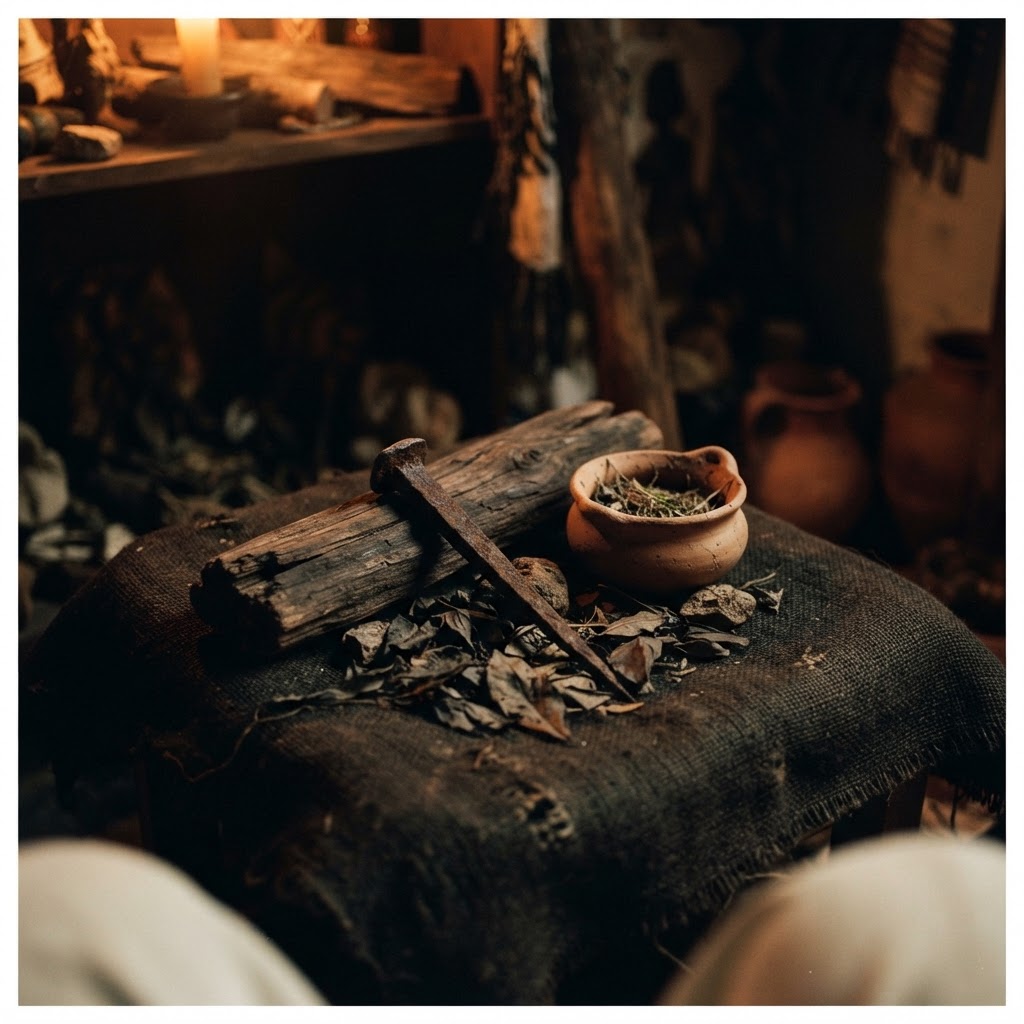
Entering the world of Palo Mayombe requires a respectful approach to language. The Palo Mayombe vocabulary surrounding the nganga and the sacred tools of the religion is rich, rooted in Kikongo and Spanish influences, and deeply tied to the initiatory nature of the tradition. Whether you are beginning your journey or seeking to understand the cultural context of this Afro-Cuban faith, it is vital to remember that knowing these terms does not grant access to the practices they name.
As you explore our Palo Mayombe 101 guide, keep in mind that the objects and vessels found within a house are living extensions of the spirits and the ancestors. Respect for these items starts with correct terminology and the humility to recognize that some things are only fully understood through formal initiation.
The nganga is the central vessel of authority in Palo Mayombe. It is not merely an object; it is the foundation of a practitioner's spiritual work. Also known as a prenda or fundamento, the nganga acts as a point of contact between the physical world and the spiritual forces recognized in the tradition. In the context of a casa (house) or rama (branch), the nganga serves as the spiritual battery that fuels the work of the palero.
Related tools
Handmade by initiated Santeros · unconsecrated, ready for your elder
$40.00

Handmade by initiated Santeros · unconsecrated, ready for your elder
$45.00

Handmade by initiated Santeros · unconsecrated, ready for your elder
$45.00
Every piece ships unconsecrated so your elder can prepare it. Free US shipping over $95 · 14-day returns.
It is common for those outside the tradition to misuse certain words or confuse them with Hollywood caricatures. Let us clarify the basic terminology used within the community:
Buying well
What to look for, what to avoid, and fair price ranges — straight to your inbox.
No spam. Unsubscribe anytime.
Everything we send is a starting point. Ritual work belongs in the hands of an initiated elder — find yours before you begin.
While the terms listed above are common in public discourse, there are many aspects of the nkisi and its specific tools that are considered private. It is important to emphasize that reading about the nganga is not the same as being initiated. You may see items like the mpaka mentioned in literature, but these are tools that require specific instruction and lineage guidance to be handled or understood correctly. Using this vocabulary in conversation is fine for educational purposes, but one should never imply that they possess the authority to work with these items without the proper guidance of a Tata or Yayi.
Ultimately, learning the Palo Mayombe vocabulary is an act of appreciation for the history and linguistic complexity of the tradition. By using these words accurately and avoiding the sensationalism often found in pop culture, you demonstrate respect for the practitioners who carry these sacred responsibilities every day.
Written by
SanteriaGuide
Initiated practitioner and writer at SanteriaGuide. Articles are reviewed by elders of the house before publication.
Before you decide
From the community
“The craftsmanship is exactly what I hoped for — nothing mass-made about it.”
Marisol A. · Hialeah, FL · Verified buyer
“Heavy, genuine cowries and metal thread. It will outlast me.”
Jorge V. · Orlando, FL · Verified buyer
“I compared four shops before ordering here. No comparison in quality.”
Kiana W. · Philadelphia, PA · Verified buyer
Authenticity guaranteed
Handmade by initiated Santeros using traditional materials.
Fast, careful shipping
Ships next business day, wrapped for the altar.
30-day returns
Unused, unconsecrated pieces returned without fuss.
Secure checkout
Encrypted payment, card details never stored.
Related collection · View all 4 pieces
Palo Mayombe tools — ritual items for Tata Nkisis and Yayas, made with respect for a tradition rooted in ancestral wisdom and the forces of nature.
Keep reading