Collar De Bandera
Handmade by initiated Santeros · unconsecrated, ready for your elder
Ships next business day
$40.00
✦ Free U.S. shipping over $65 · Handmade by initiated devotees · Ships next business day from Texas ✦
Explore the essential Palo Mayombe glossary to understand the core terms, history, and cultural context of this deep Afro-Cuban religious tradition.
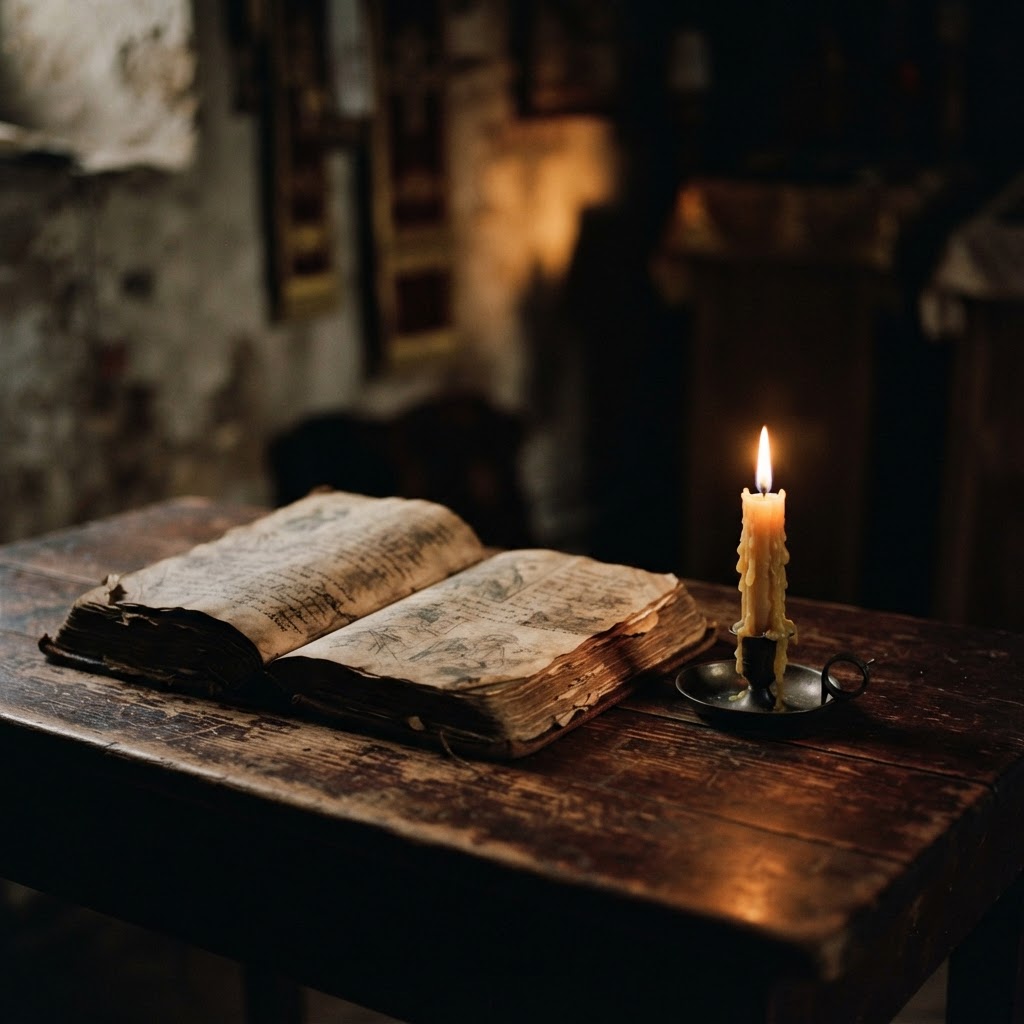
For those beginning their journey or seeking to deepen their understanding of Afro-Cuban traditions, navigating the Palo Mayombe glossary is an essential step. Language in this practice is not merely descriptive; it carries the weight of history, spiritual lineage, and respect for the forces that shape our world. By familiarizing yourself with these terms, you engage with the community in a way that is grounded, informed, and respectful.
The Palo Mayombe glossary acts as a foundational map for the uninitiated and the novice alike. It provides clarity on the terminology used within the house, helping practitioners communicate effectively while honoring the depth of the religion. Understanding these words allows for a more authentic connection to the wisdom passed down through generations of practitioners.
Related tools
Handmade by initiated Santeros · unconsecrated, ready for your elder
$40.00

Handmade by initiated Santeros · unconsecrated, ready for your elder
$45.00

Handmade by initiated Santeros · unconsecrated, ready for your elder
$45.00
Every piece ships unconsecrated so your elder can prepare it. Free US shipping over $95 · 14-day returns.
The core terminology of Palo Mayombe is rooted in the Kikongo language of the Congo Basin, integrated over centuries within the Caribbean context. These terms represent complex spiritual concepts, physical objects of power, and hierarchies of initiatory knowledge. Knowing these terms helps prevent misunderstandings and fosters a deeper appreciation for the structured nature of the faith.
Before you begin
What to ask before any ritual work begins — and what only an initiated elder can answer.
No spam. Unsubscribe anytime.
Everything we send is a starting point. Ritual work belongs in the hands of an initiated elder — find yours before you begin.
By learning these terms, you honor the Palo Mayombe tradition's integrity. Always remember that respectful engagement is defined by listening more than speaking, especially when you are just starting to learn about these sacred paths.
Written by
SanteriaGuide
Initiated practitioner and writer at SanteriaGuide. Articles are reviewed by elders of the house before publication.
Before you decide
From the community
“The irofá arrived ready for work — solid, balanced, exactly as my babalawo wanted.”
Omar B. · Union City, NJ · Verified buyer
“Used the mazo in my iyawó year. It held up through everything.”
Lisette F. · Tampa, FL · Verified buyer
“Every knot tight, every bead correct. These people know the tradition.”
Rafael O. · Bronx, NY · Verified buyer
Authenticity guaranteed
Handmade by initiated Santeros using traditional materials.
Fast, careful shipping
Ships next business day, wrapped for the altar.
30-day returns
Unused, unconsecrated pieces returned without fuss.
Secure checkout
Encrypted payment, card details never stored.
Related collection · View all 4 pieces
Palo Mayombe tools — ritual items for Tata Nkisis and Yayas, made with respect for a tradition rooted in ancestral wisdom and the forces of nature.
Keep reading