SOLD OUT
Bracelet Honoring The Ancestors
Handmade by initiated Santeros · unconsecrated, ready for your elder
1 verified reviews
$55.00
✦ Free U.S. shipping over $65 · Handmade by initiated devotees · Ships next business day from Texas ✦
Discover how the distinct traditions of Espiritismo and Santeria coexist to create a balanced spiritual foundation for practitioners in the Cuban religious landscape.
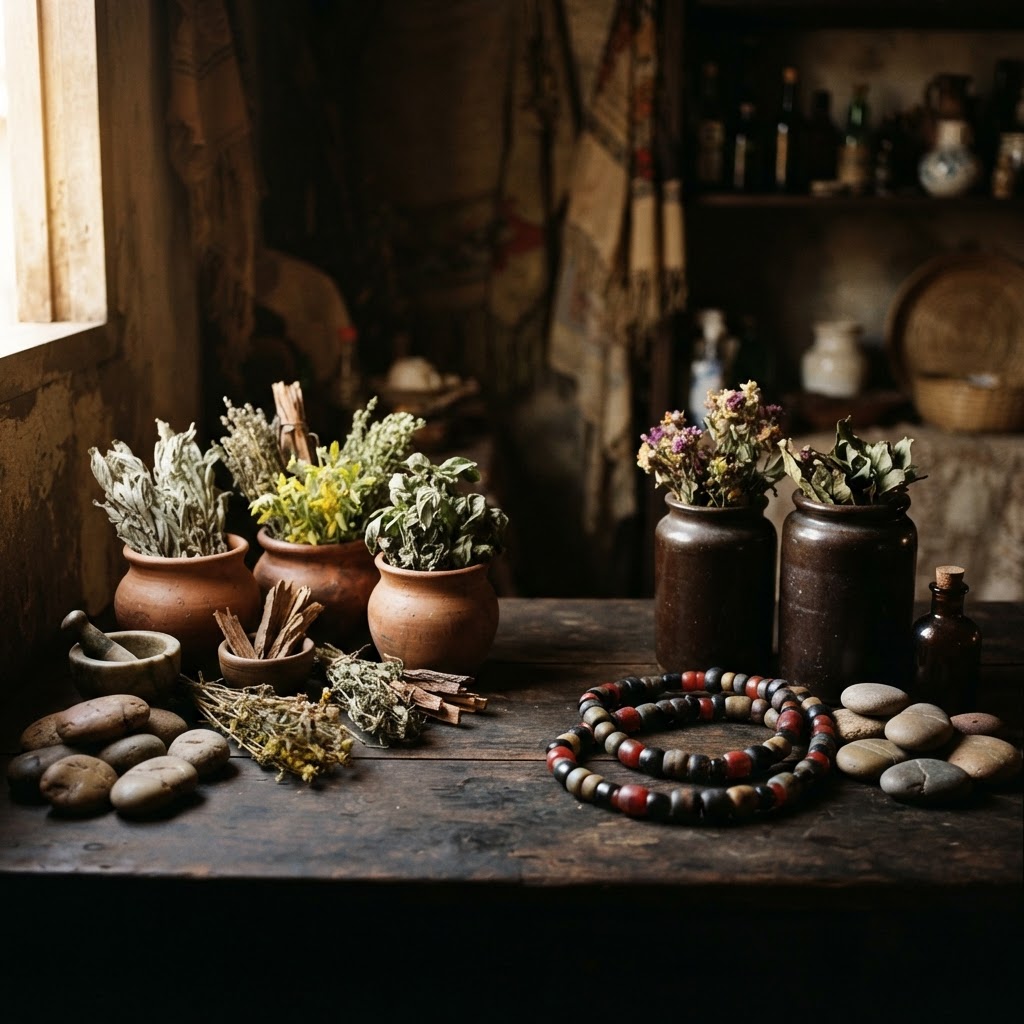
In the vibrant landscape of Cuban religious life, Espiritismo and Santeria occupy distinct but deeply interconnected spaces. While practitioners of these traditions often walk both paths, it is important to clarify from the outset that they are separate systems of belief and practice. When we discuss how Espiritismo and Santeria work together, we are looking at a beautiful synergy where historical roots, spiritual heritage, and practical devotion meet to support the seeker.
Espiritismo and Santeria are complementary traditions. While Santeria, or Regla de Ocha, is rooted in the Yoruba culture and religious systems of West Africa, Espiritismo in Cuba finds its primary lineage in the Kardecist spiritism brought to the island in the 19th century. Despite these vastly different origins, they function as two sides of a spiritual coin for many practitioners, helping individuals balance their connection to the Orishas with their relationship to the ancestral and guiding spirits.
Many people find that these traditions serve different, yet essential, functions in their spiritual development. Santeria is often described as a formal, initiatory religion centered on the worship of the Orishas—divine forces of nature who oversee our destiny and personal growth. You can learn more about the foundational differences here. In contrast, Espiritismo focuses heavily on the development of mediumship, the cleansing of spiritual space, and the cultivation of one’s personal relationship with their spirit guides. By engaging in both, a practitioner often finds that their spirit guides help prepare them for the more structured, ritualistic demands of Orisha work.
Related tools
Handmade by initiated Santeros · unconsecrated, ready for your elder
$55.00

Handmade by initiated Santeros · unconsecrated, ready for your elder
$55.00

Handmade by initiated Santeros · unconsecrated, ready for your elder
$55.00
Every piece ships unconsecrated so your elder can prepare it. Free US shipping over $95 · 14-day returns.
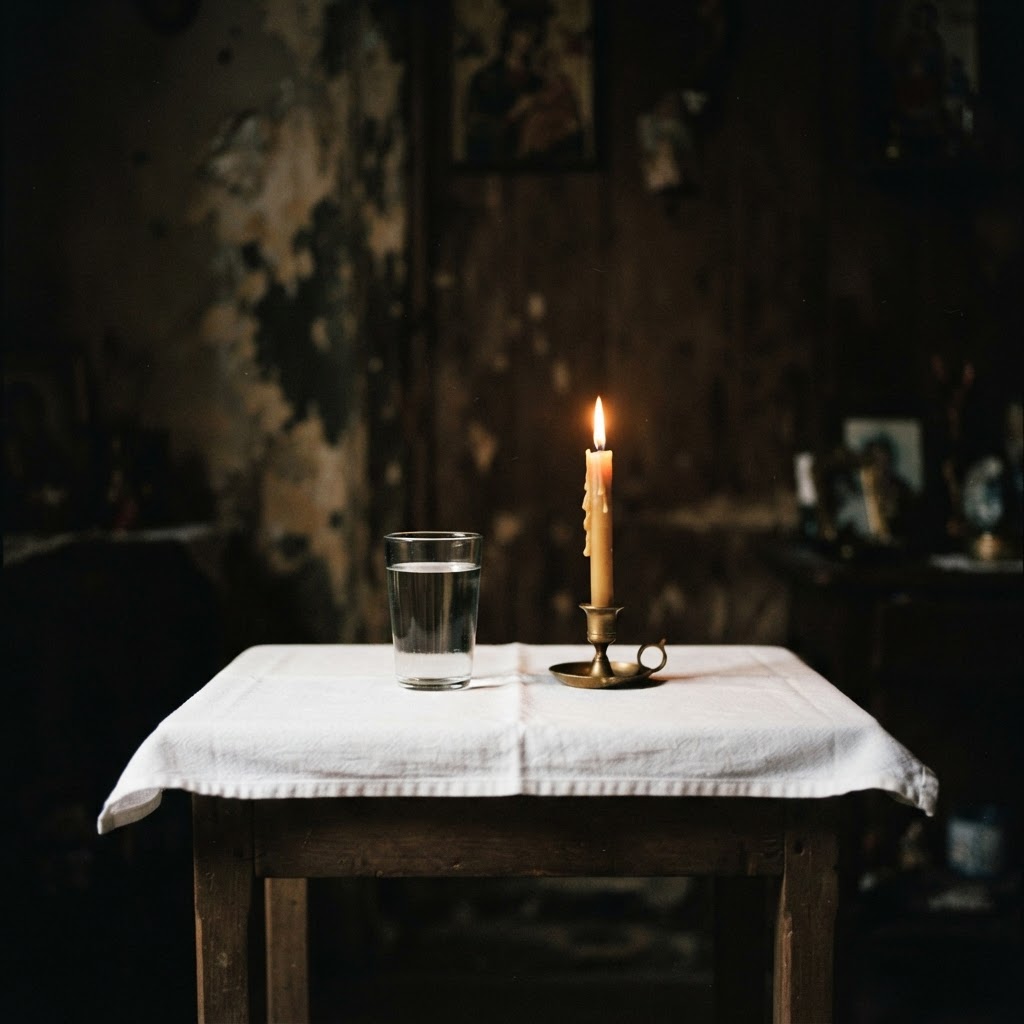
In the home of a practitioner, you might see both a formal altar for the Orishas and a bóveda—a spiritual station dedicated to one's ancestors and guides. It is vital to understand that these are distinct altars. The bóveda, usually comprised of glasses of water and sometimes images of saints or specific spirits, serves as a focal point for communication with the dead. Many practitioners maintain a dedicated bóveda to ensure that their ancestral foundations are strong, believing that before one can successfully serve the Orishas, one must be in harmony with their own lineage. Because practices vary by lineage and house, some may approach this arrangement differently, but the underlying principle remains the same: respect for the ancestors provides a clear path for interacting with the Orishas.
A common misconception is that spirit guides and Orishas are in competition for the practitioner's attention. In reality, they represent different types of relationships. The Orishas are cosmic forces, often viewed as intermediaries between humanity and the Divine. The spirit guides—our ancestors or other entities who choose to walk with us—act as close personal advisors. We invite them into our lives to help us navigate daily struggles, health concerns, and emotional hurdles. They are not rivals; they are a team working toward the practitioner’s well-being. If you are curious about the specific types of beings encountered, you might browse our Spirit-Guide Profiles to better grasp how these entities support your journey.
Before you begin
What to ask before any ritual work begins — and what only an initiated elder can answer.
No spam. Unsubscribe anytime.
Everything we send is a starting point. Ritual work belongs in the hands of an initiated elder — find yours before you begin.
Ultimately, the coexistence of these traditions is a testament to the flexibility and depth of Afro-Cuban religious culture. While a misa (spiritist mass) might involve direct communication with the dead through mediumship, an oricha ceremony is conducted with specific liturgical protocols. Both require deep reverence and study. Practitioners should always look to their elders or godparents for guidance on how to maintain these traditions properly. Because no two religious houses practice exactly alike, your own journey will be unique to the lessons you receive from your mentors.
Written by
SanteriaGuide
Initiated practitioner and writer at SanteriaGuide. Articles are reviewed by elders of the house before publication.
Before you decide
From the community
“The irofá arrived ready for work — solid, balanced, exactly as my babalawo wanted.”
Omar B. · Union City, NJ · Verified buyer
“Used the mazo in my iyawó year. It held up through everything.”
Lisette F. · Tampa, FL · Verified buyer
“Every knot tight, every bead correct. These people know the tradition.”
Rafael O. · Bronx, NY · Verified buyer
Authenticity guaranteed
Handmade by initiated Santeros using traditional materials.
Fast, careful shipping
Ships next business day, wrapped for the altar.
30-day returns
Unused, unconsecrated pieces returned without fuss.
Secure checkout
Encrypted payment, card details never stored.
Related collection · View all 18 pieces
Ildés de Orisha — handmade bracelets (pulseras espirituales) strung in the traditional colours of each Orisha, worn for protection, for devotion and to keep a guardian's presence close.
Keep reading