SOLD OUT
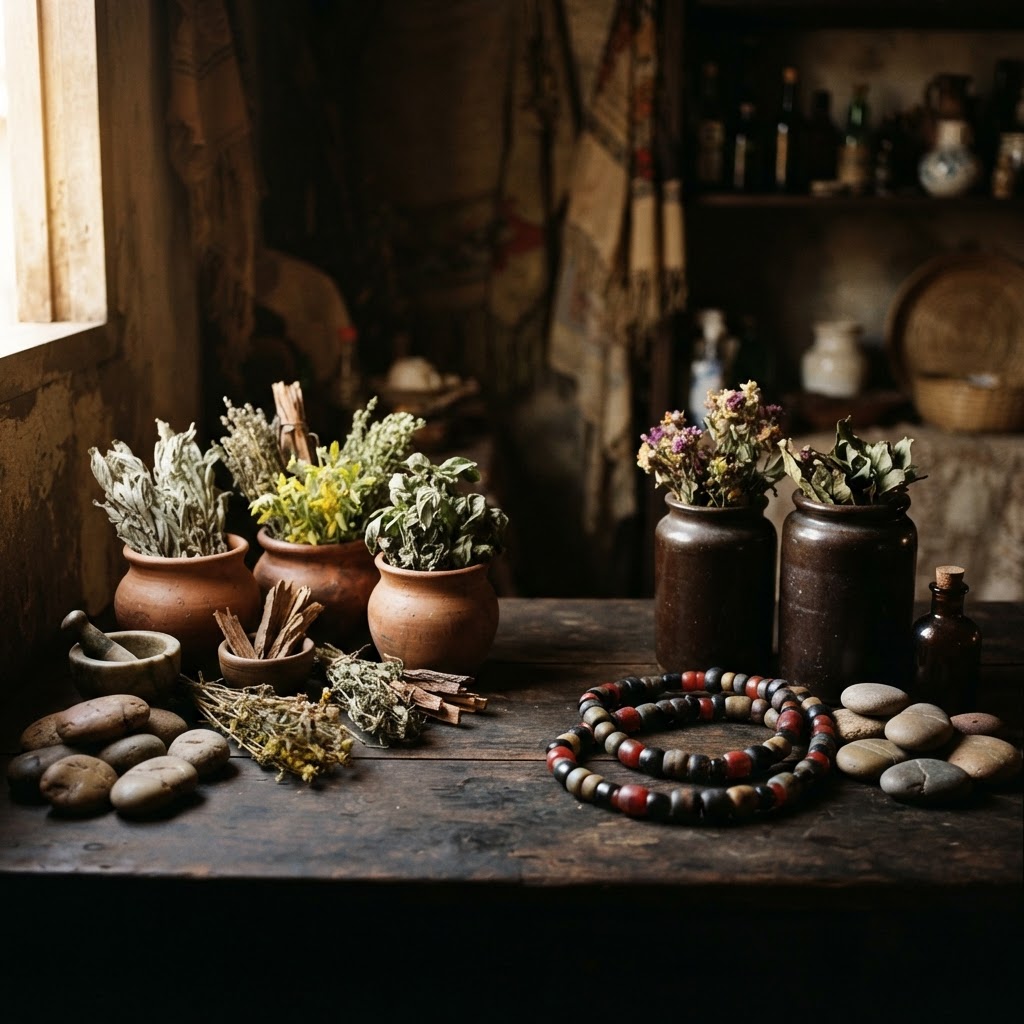
Bracelet Honoring The Ancestors
Handmade by initiated Santeros · unconsecrated, ready for your elder
1 verified reviews
$55.00
✦ Free U.S. shipping over $65 · Handmade by initiated devotees · Ships next business day from Texas ✦
Discover the foundations of Espiritismo, a spiritist tradition that blends Allan Kardec's teachings with Caribbean culture to foster connection with ancestral guides and personal moral growth.
Espiritismo is a spiritual tradition that centers on the belief in the immortality of the soul, the reality of the spirit world, and the importance of moral growth through prayer, charity, and communication with those who have passed on. Often serving as the foundational layer of practice for many in the Afro-Cuban religious landscape, it provides a vital bridge for individuals seeking to understand their ancestral guides and spiritual development.
Espiritismo is a religious and philosophical practice rooted in the 19th-century spiritist writings of Allan Kardec, which was subsequently integrated into the cultural fabric of Cuba and the wider Caribbean. It focuses on the belief that human beings can communicate with spirits to seek guidance, healing, and personal evolution through acts of service and spiritual discipline.
While the codified roots of modern Espiritismo lie in the teachings of the French author Allan Kardec, its expression in Cuba evolved into a unique blend. Kardecism provided a framework for understanding spirit communication, but the Cuban context infused this practice with indigenous, African, and Catholic influences. This blending created a distinct style of work that prioritizes the 'misa espiritual'—a gathering dedicated to collective prayer and mediumship—and the use of the bóveda, a spiritual altar used to honor and connect with one's ancestors and guiding spirits.
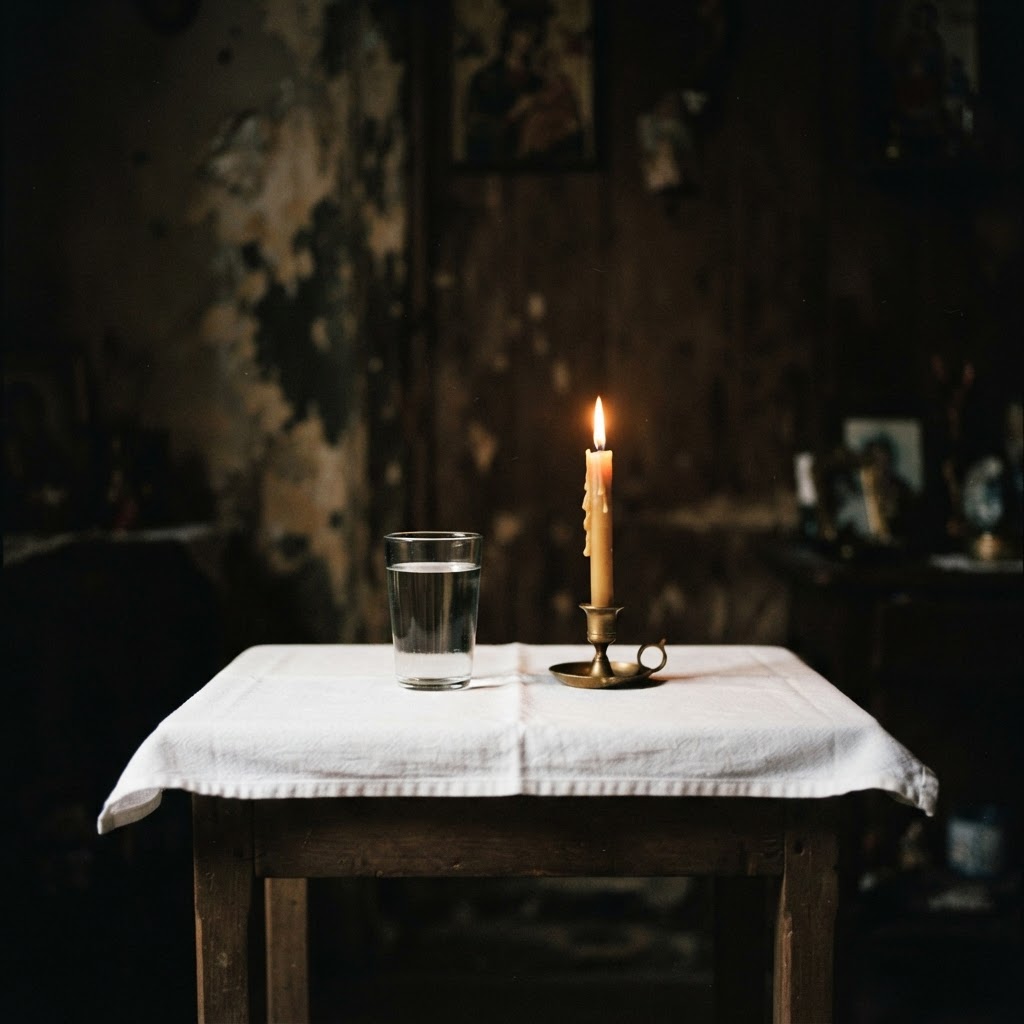
At the center of most domestic practices is the bóveda, an altar traditionally featuring a white-clothed table and several glasses of water. These glasses serve as conduits for spiritual energy. For newcomers, understanding that the bóveda is a sacred space is essential. It is not a decoration but a living workspace where practitioners cultivate relationships with their spirit-guide profiles. A misa espiritual is the formal gathering where these spirits may come forward to offer advice or cleansing. It is a time for serious reflection, song, and prayer, rather than a place for idle curiosity.
Related tools
Handmade by initiated Santeros · unconsecrated, ready for your elder
$55.00

Handmade by initiated Santeros · unconsecrated, ready for your elder
$35.00

Handmade by initiated Santeros · unconsecrated, ready for your elder
$50.00
Every piece ships unconsecrated so your elder can prepare it. Free US shipping over $95 · 14-day returns.
Unlike some closed initiation traditions, such as Palo Mayombe, Espiritismo is generally viewed as an accessible path for those seeking spiritual clarity. Many people find their way into these circles because they feel a calling from their ancestors. It is common to consult with an experienced medium to better understand one's own spiritual makeup, often referred to as a 'cuadro espiritual' or spiritual frame. The goal is always the same: to become a better, more charitable person while learning to walk alongside those in the unseen world.
If you are invited to attend a misa or visit a home where Espiritismo is practiced, remember that you are entering a space of reverence. The following principles are helpful for any newcomer:
Before you begin
What to ask before any ritual work begins — and what only an initiated elder can answer.
No spam. Unsubscribe anytime.
Everything we send is a starting point. Ritual work belongs in the hands of an initiated elder — find yours before you begin.
Each lineage carries its own set of customs. What is standard in one house may vary slightly in another, as the tradition is lived and breathed through local and family practices. To further your knowledge, you can Learn about the basics of spiritual development or read our introductory guide on Espiritismo 101 to gain a deeper understanding of how these practices fit into your life.
Written by
SanteriaGuide
Initiated practitioner and writer at SanteriaGuide. Articles are reviewed by elders of the house before publication.
Before you decide
From the community
“The irofá arrived ready for work — solid, balanced, exactly as my babalawo wanted.”
Omar B. · Union City, NJ · Verified buyer
“Used the mazo in my iyawó year. It held up through everything.”
Lisette F. · Tampa, FL · Verified buyer
“Every knot tight, every bead correct. These people know the tradition.”
Rafael O. · Bronx, NY · Verified buyer
Authenticity guaranteed
Handmade by initiated Santeros using traditional materials.
Fast, careful shipping
Ships next business day, wrapped for the altar.
30-day returns
Unused, unconsecrated pieces returned without fuss.
Secure checkout
Encrypted payment, card details never stored.
Keep reading