
Sigils in Palo Mayombe
Understanding How Firmas Are Used in Palo Mayombe Practice
Learn the role of firmas in Palo Mayombe practice, why lineage and context are vital, and why these sacred symbols are kept private.
By SanteriaGuideSeptember 22, 20262 min read
- 4.9/5 from verified buyers
- Handmade in Texas
- Ships next business day
- 30-day returns
In the study of Palo Mayombe, one often encounters the visual language of the religion through its sacred geometries. The role of firmas is central to these traditions, acting as a bridge between the physical world and the spiritual forces known as Mpungos. While there is much curiosity about these symbols, it is vital to approach them with the gravity and respect due to a closed, initiatory practice.
A firma is not merely a drawing or an artistic flourish; it is a profound point of spiritual contact. Understanding how firmas are used in Palo Mayombe practice requires an appreciation for the lineage, the intention, and the specific spiritual authority behind their creation. As you explore this, you may find it helpful to read our Palo Mayombe 101 guide for more foundational context.
The Core Role of Firmas in Palo Mayombe
Firmas serve as essential tools within the religious framework of Palo. They are used to focus energy, formalize a request, and establish a clear channel to a specific spiritual entity. When we discuss how firmas are used in Palo Mayombe practice, we are looking at the foundational mechanics of how a practitioner engages with the sacred.
Briefly, a firma is a signature of power traced upon the ground or specific surfaces using materials dictated by the nature of the work. They are intrinsically tied to a named Mpungo or spirit, acting as a map that aligns the practitioner's intent with the authority of the tradition. Because they are considered deeply private expressions of a specific house or lineage, they are never intended for public exhibition or casual use.
Why Lineage and Context Define the Meaning
One of the most important aspects to understand is that the same Mpungo may be represented by different firmas depending on the specific house or rama (branch) of Palo Mayombe. These variations are not errors; they are reflections of the unique traditions, oral histories, and initiatory secrets held by that specific lineage. A firma is a reflection of a pact made between a practitioner and the spiritual realm.
Because of this, a firma copied out of its proper context carries no spiritual meaning. More importantly, attempting to use or replicate a firma without the proper initiation and authorization is considered a sign of profound disrespect. The integrity of these symbols relies entirely on the legitimacy of the person tracing them. Without the backing of a legitimate lineage, a drawing is simply a drawing—it lacks the keys required to unlock the spiritual work it represents.
The Sanctity of Private Practice
Palo Mayombe is a tradition that honors the secrecy and intimacy of its operations. Firmas are maintained within the confines of the house to preserve their sanctity. They are not pedagogical tools for the uninitiated, nor are they decorative motifs. The tradition is built on a direct, personal transmission of knowledge from elder to initiate. By respecting these boundaries, those interested in the culture can learn to appreciate the depth of the religion without encroaching upon the private spiritual labor of its practitioners. If you are interested in the entities themselves, we invite you to view our Mpungo Profiles to learn more about the diverse spirits honored in these traditions.
Related tools
What you may need for this practice


Every piece ships unconsecrated so your elder can prepare it. Free US shipping over $95 · 14-day returns.
Written by
SanteriaGuide
Initiated practitioner and writer at SanteriaGuide. Articles are reviewed by elders of the house before publication.
Before you decide
Frequently asked questions
From the community
What practitioners say
“The irofá arrived ready for work — solid, balanced, exactly as my babalawo wanted.”
Omar B. · Union City, NJ · Verified buyer
“Used the mazo in my iyawó year. It held up through everything.”
Lisette F. · Tampa, FL · Verified buyer
“Every knot tight, every bead correct. These people know the tradition.”
Rafael O. · Bronx, NY · Verified buyer
Ends soon
Black Friday
25% Off Orders Over $150Sale
138HRS
:12MIN
:25SEC
Code BLACKFRIDAY25
Orders of $150 or more take the discount — or save 15% from $100, no code needed.
Shop the saleBefore you begin
Questions to bring to your elder
What to ask before any ritual work begins — and what only an initiated elder can answer.
No spam. Unsubscribe anytime.
Everything we send is a starting point. Ritual work belongs in the hands of an initiated elder — find yours before you begin.
Authenticity guaranteed
Handmade by initiated Santeros using traditional materials.
Fast, careful shipping
Ships next business day, wrapped for the altar.
30-day returns
Unused, unconsecrated pieces returned without fuss.
Secure checkout
Encrypted payment, card details never stored.

Related collection · View all 4 pieces
Palo Mayombe Tools
Palo Mayombe tools — ritual items for Tata Nkisis and Yayas, made with respect for a tradition rooted in ancestral wisdom and the forces of nature.
Keep reading
Related articles
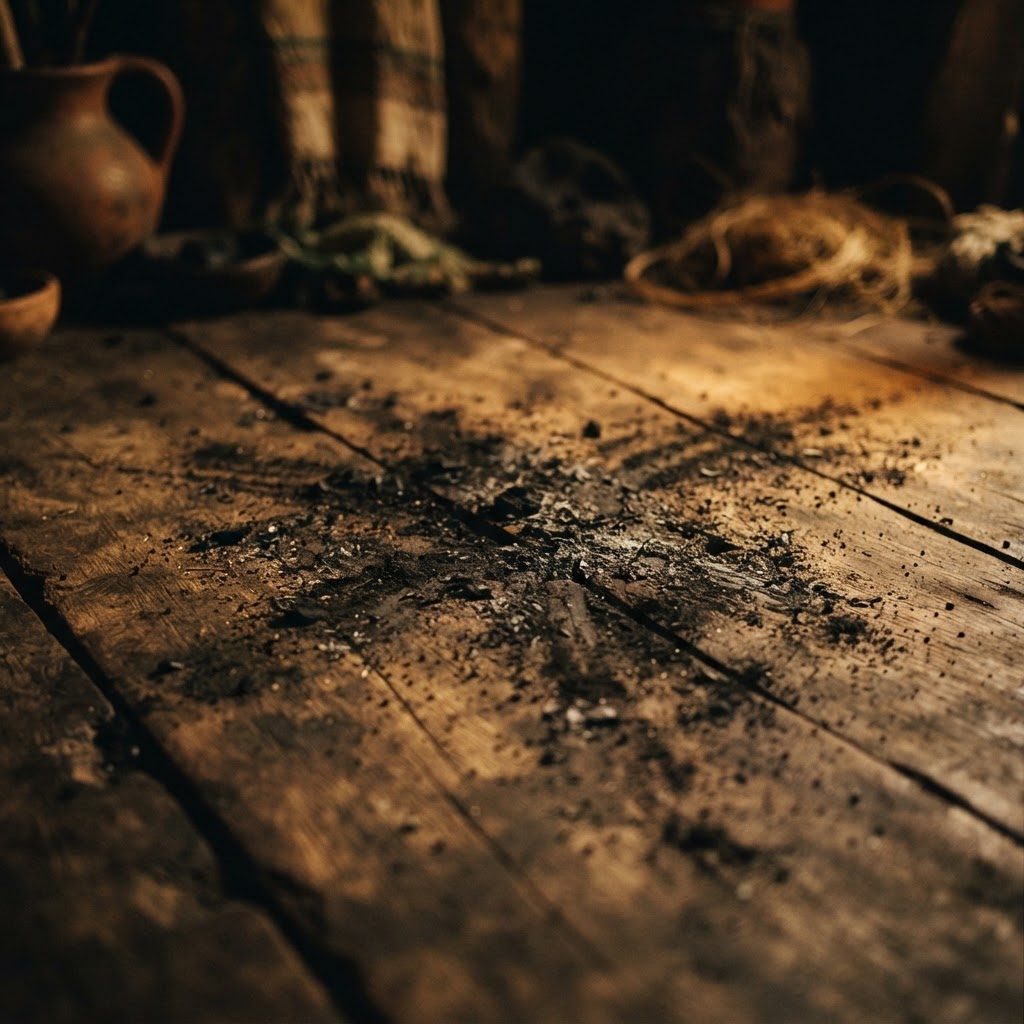
Firmas in Palo Mayombe: Understanding the Sacred Sigils
SanteriaGuide· Sep 22, 2026
Palo MayombeAfro-Cuban TraditionSacred GeometrySpiritual Practice
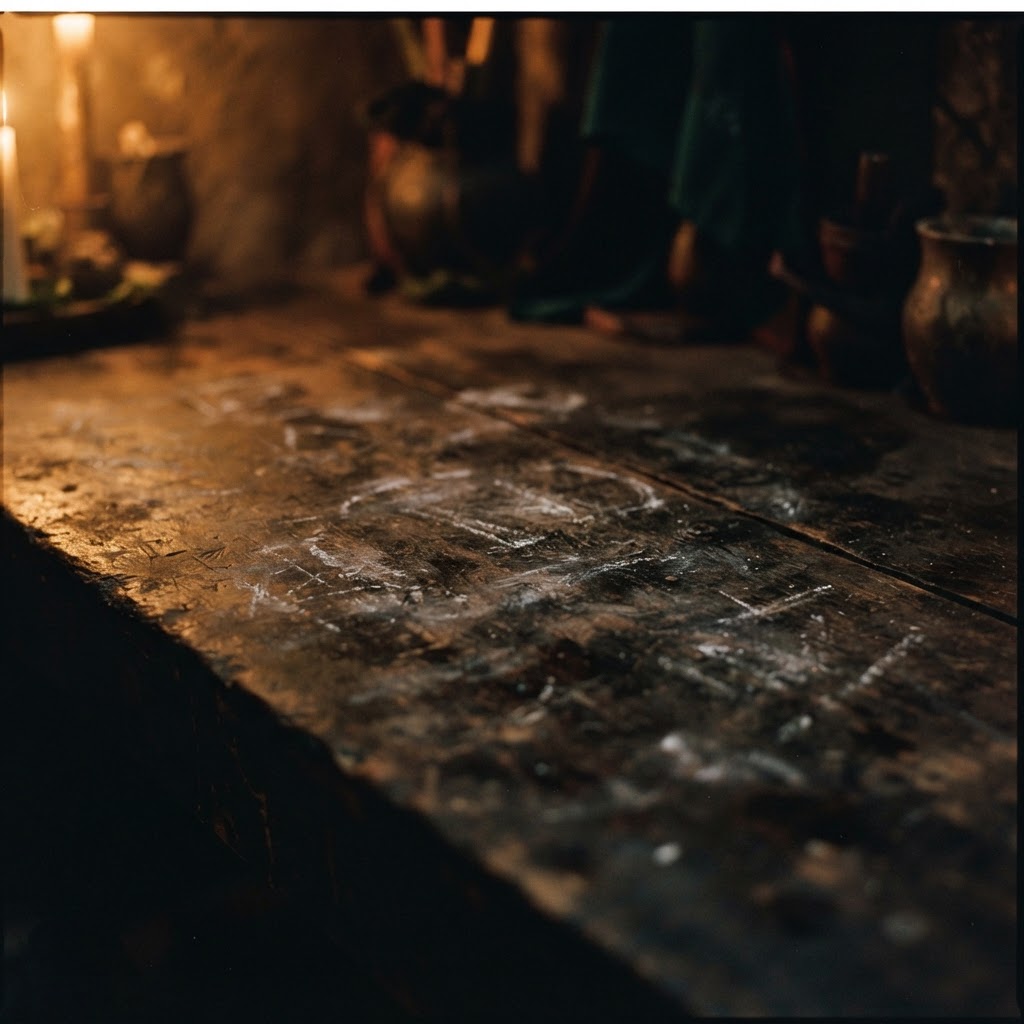
Reading a Firma: Lines, Symbols and Their Meanings
SanteriaGuide· Sep 22, 2026
Palo MayombeSpiritual TraditionsSymbols
Ginger Root: Spiritual Use and Its Place in Vital Cleanse & Immunity Tea
SanteriaGuide· Nov 23, 2026
Herbal WellnessSanteriaSpiritual CleansingTea