
Ifá Eleke & Iléde Set – Large Glass Bead Necklace and Bracelet (4 Variants)
Handmade by initiated Santeros · unconsecrated, ready for your elder
Ships next business day
$50.00
✦ Free U.S. shipping over $65 · Handmade by initiated devotees · Ships next business day from Texas ✦

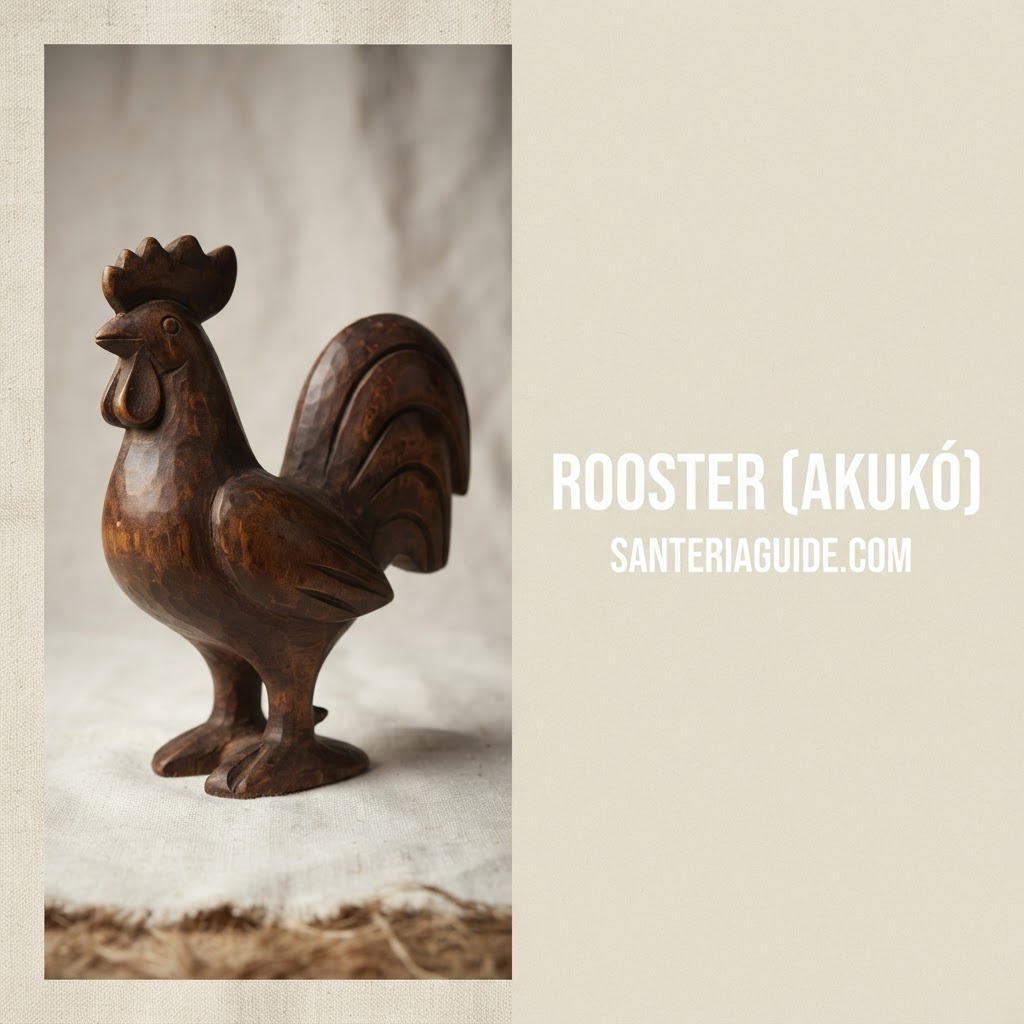
Rooster (Akukó)
English: Used in offerings and spiritual cleansings; symbolizes vitality and the transfer or removal of spiritual burdens.
Lukumí / Notes: Sacred to Eleguá, Shangó, Ogún, and Oyá; can absorb osogbo or activate iré when offered properly.
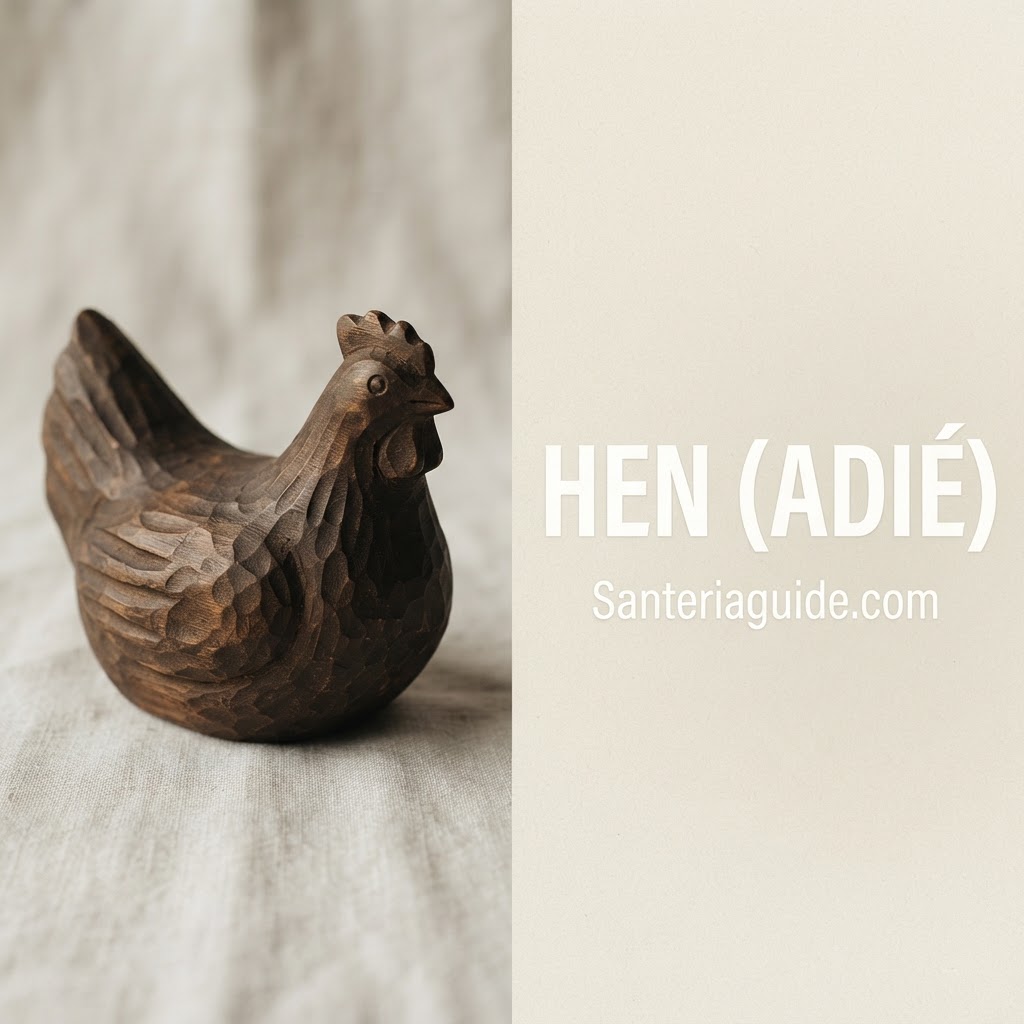
Hen (Adié)
English: Used in rituals involving fertility, peace, and feminine balance.
Lukumí / Notes: Associated with Yemayá, Obatalá, and Ochún; employed to restore spiritual or emotional harmony.
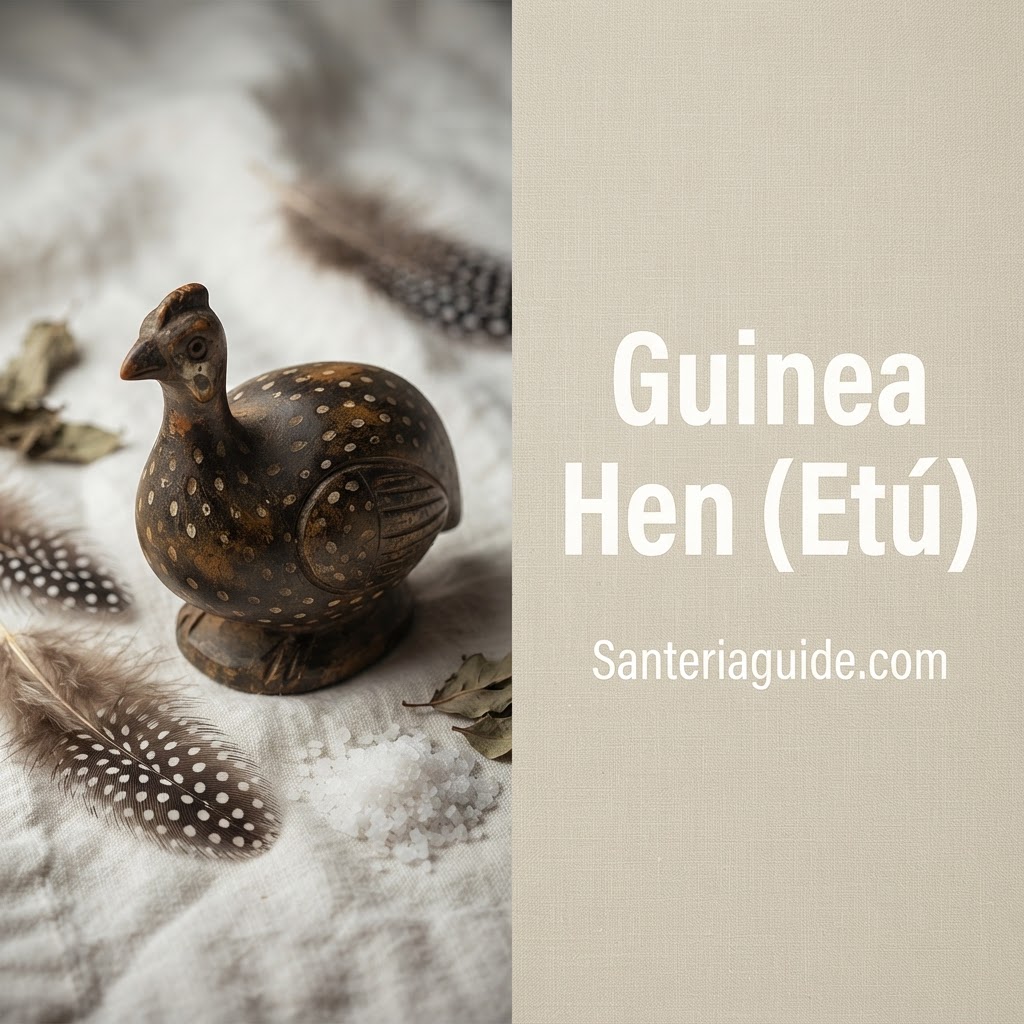
Guinea Hen (Etú)
English: Powerful sacred bird used in major ceremonies, especially for cleansing and ancestral work.
Lukumí / Notes: Linked to Ochún and Obatalá; carries strong purifying energy.
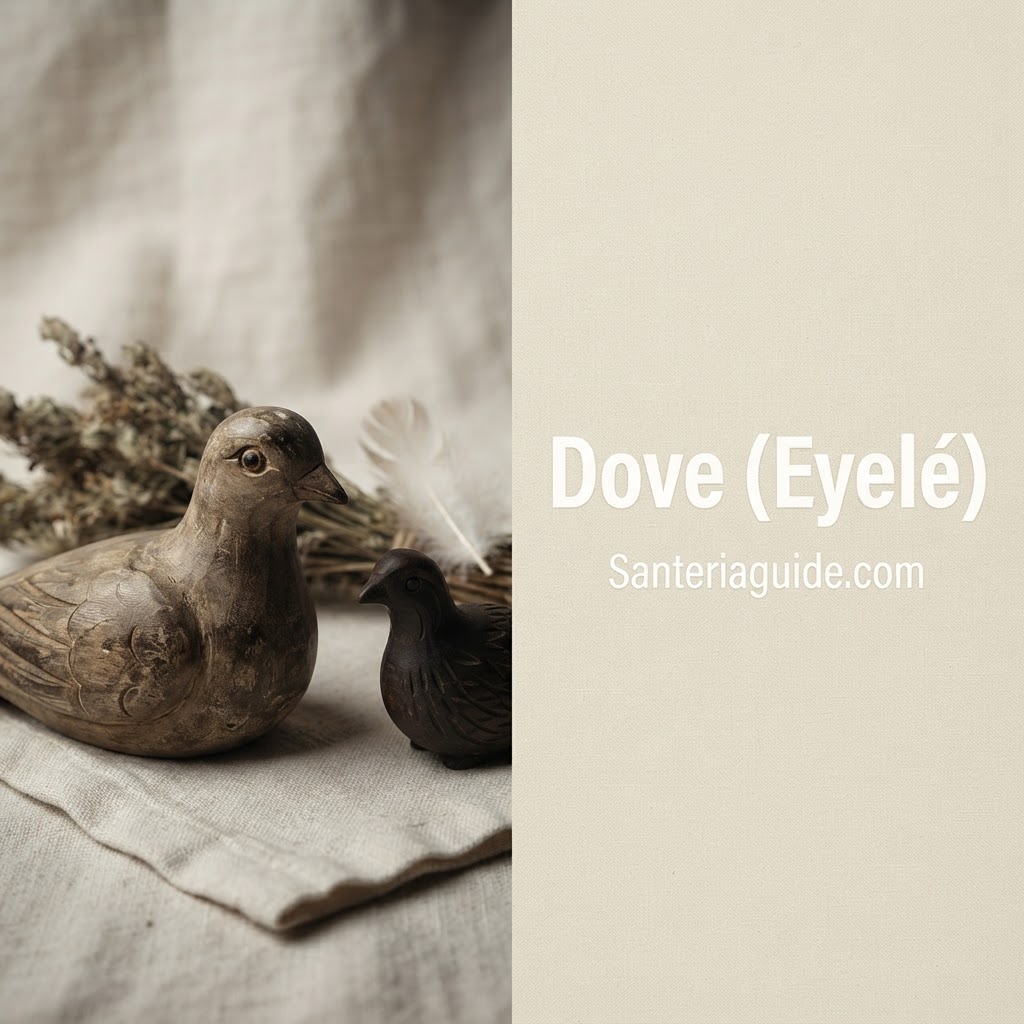
Dove (Eyelé)
English: Symbol of peace and purity; used in white or elevated workings.
Lukumí / Notes: Represents spiritual elevation; offered to Obatalá and benevolent energies.
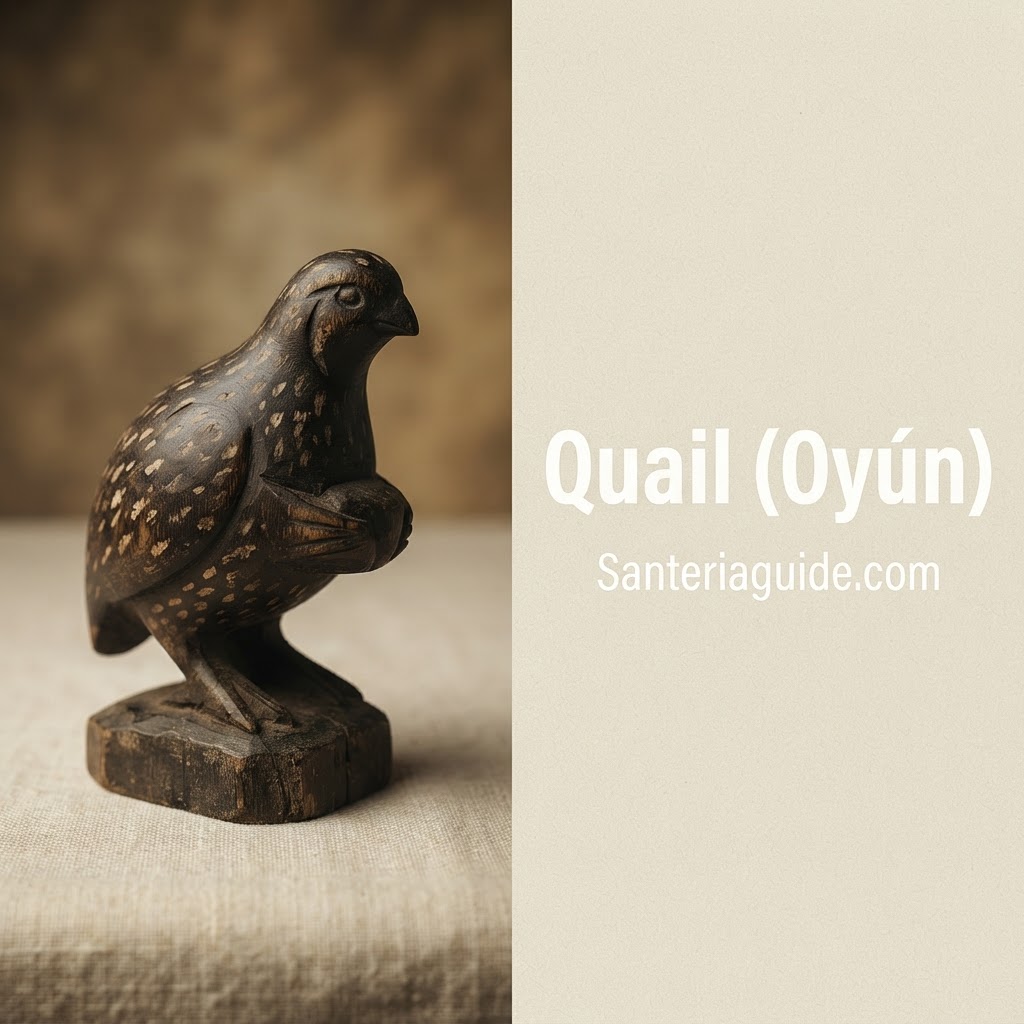
Quail (Oyún)
English: Used in head-feeding (rogación) and protective works to bring clarity and stabilization.
Lukumí / Notes: Helps cleanse and strengthen the Orí (spiritual head).
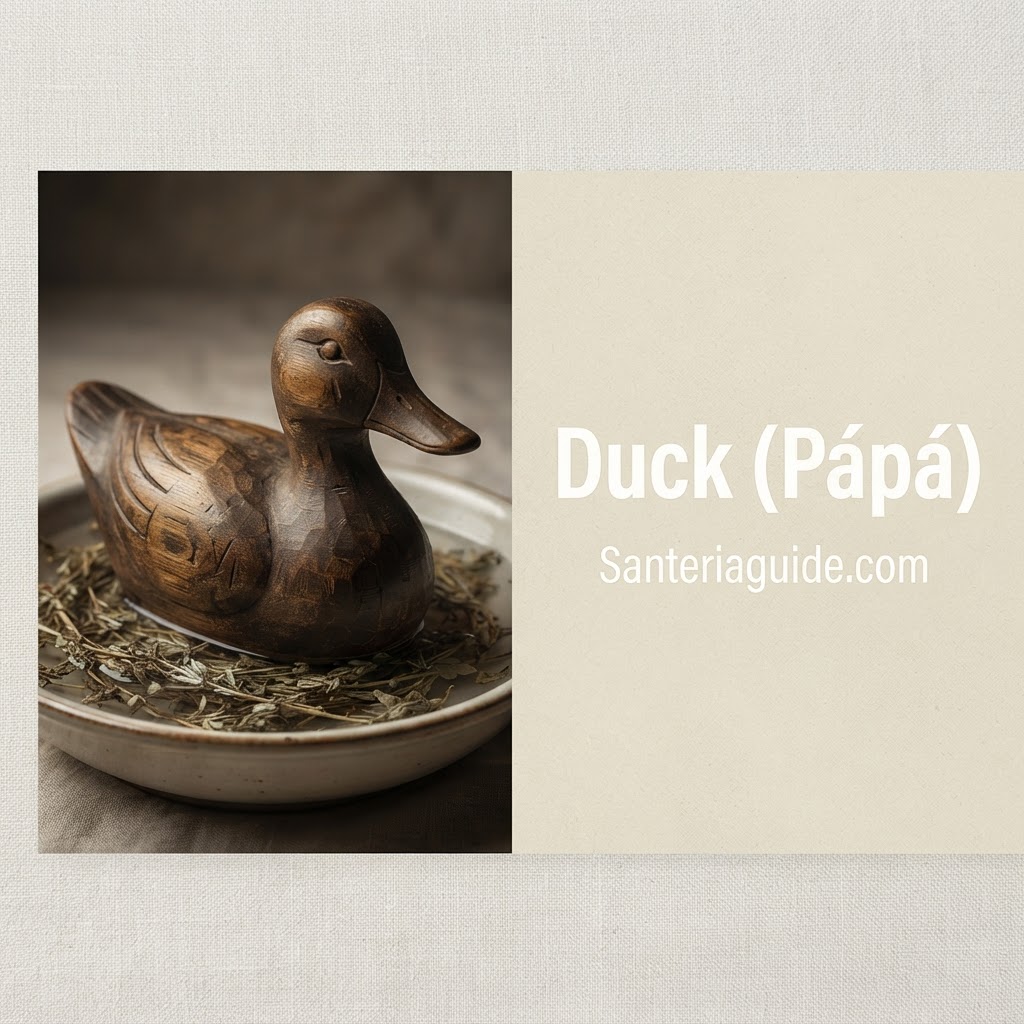
Duck (Pápá)
English: Represents feminine energy; used in cleansings and omiero baths.
Lukumí / Notes: Associated with Ochún and Yemayá; supports emotional flow and balance.
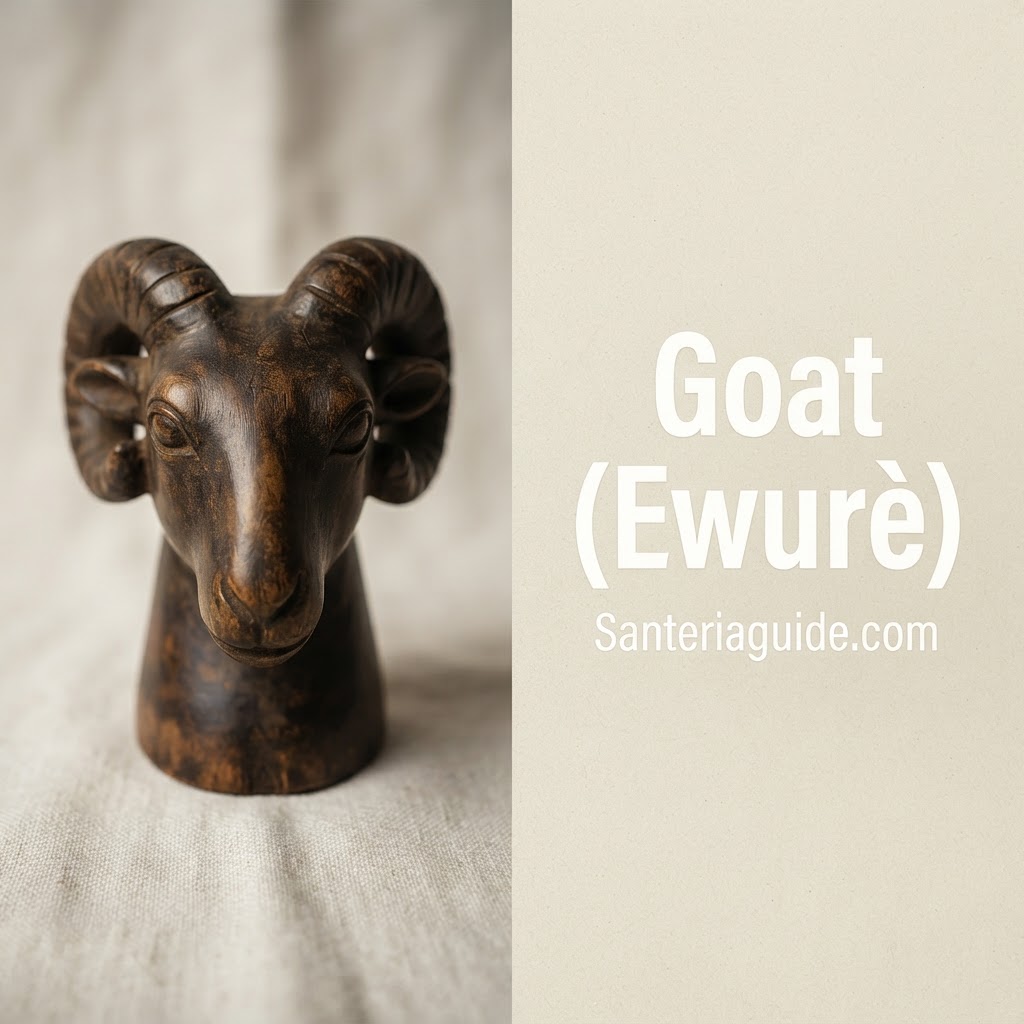
Goat (Ewurè)
English: Common offering to remove heavy spiritual loads or osogbo.
Lukumí / Notes: Connected to Eleguá, Ogún, and Ochosi; potent in deep purification rituals.
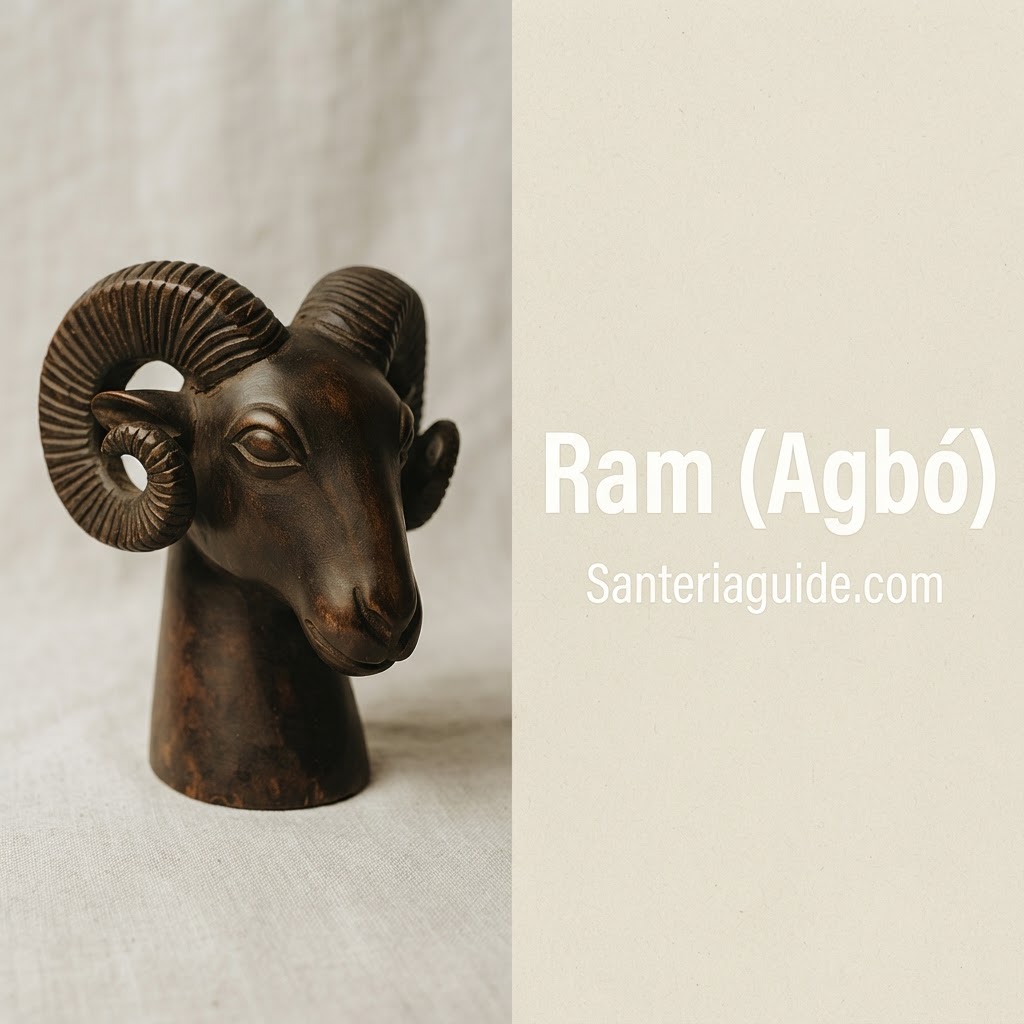
Ram (Agbó)
English: Symbol of fire, masculine spiritual authority, and power.
Lukumí / Notes: Sacred to Shangó; used in works of leadership, justice, and strength.
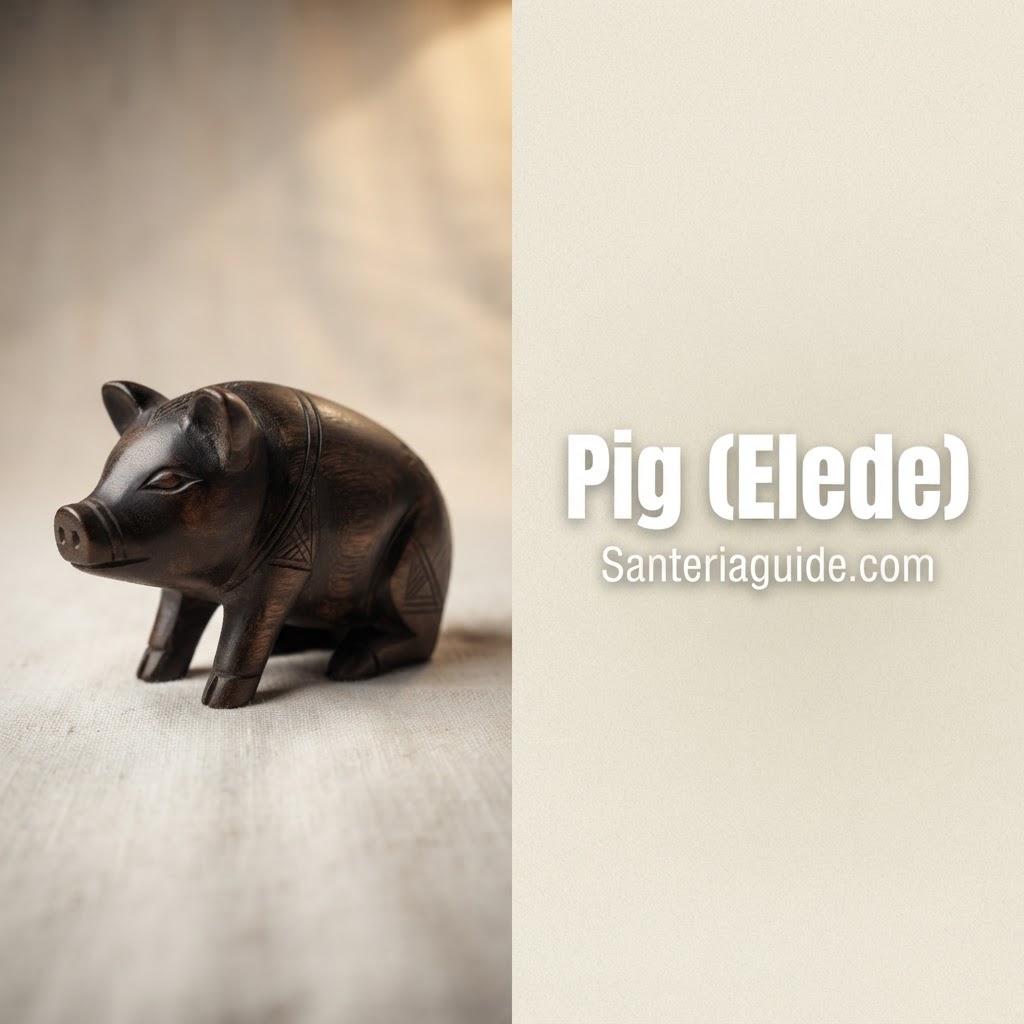
Pig (Elede)
English: Rarely used; carries symbolic or lineage-specific meaning when employed.
Lukumí / Notes: Sometimes linked to Ogún; its use depends on patakís and tradition.
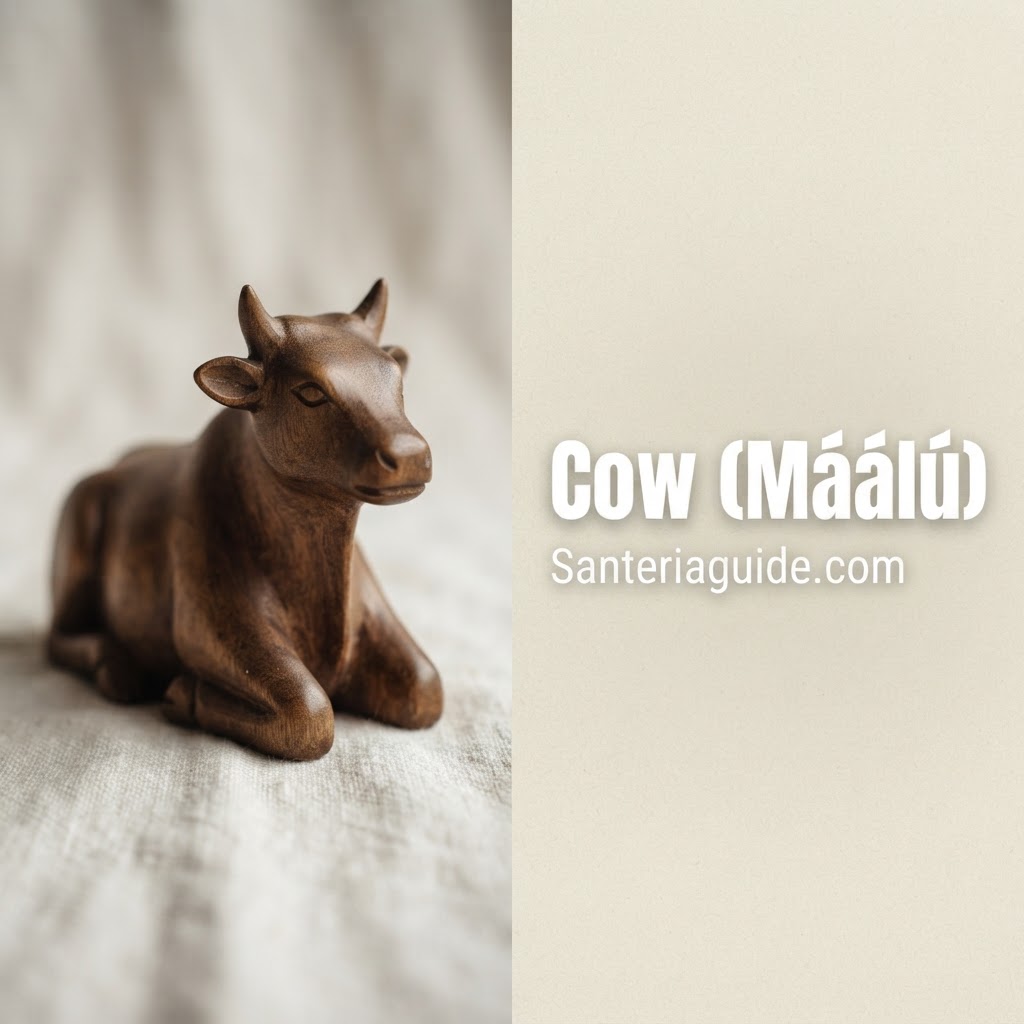
Cow (Máálú)
English: Seldom sacrificed; symbolizes abundance, grounding, and nourishment.
Lukumí / Notes: Milk may be offered to Obatalá or Yemayá; represents stability and provision.
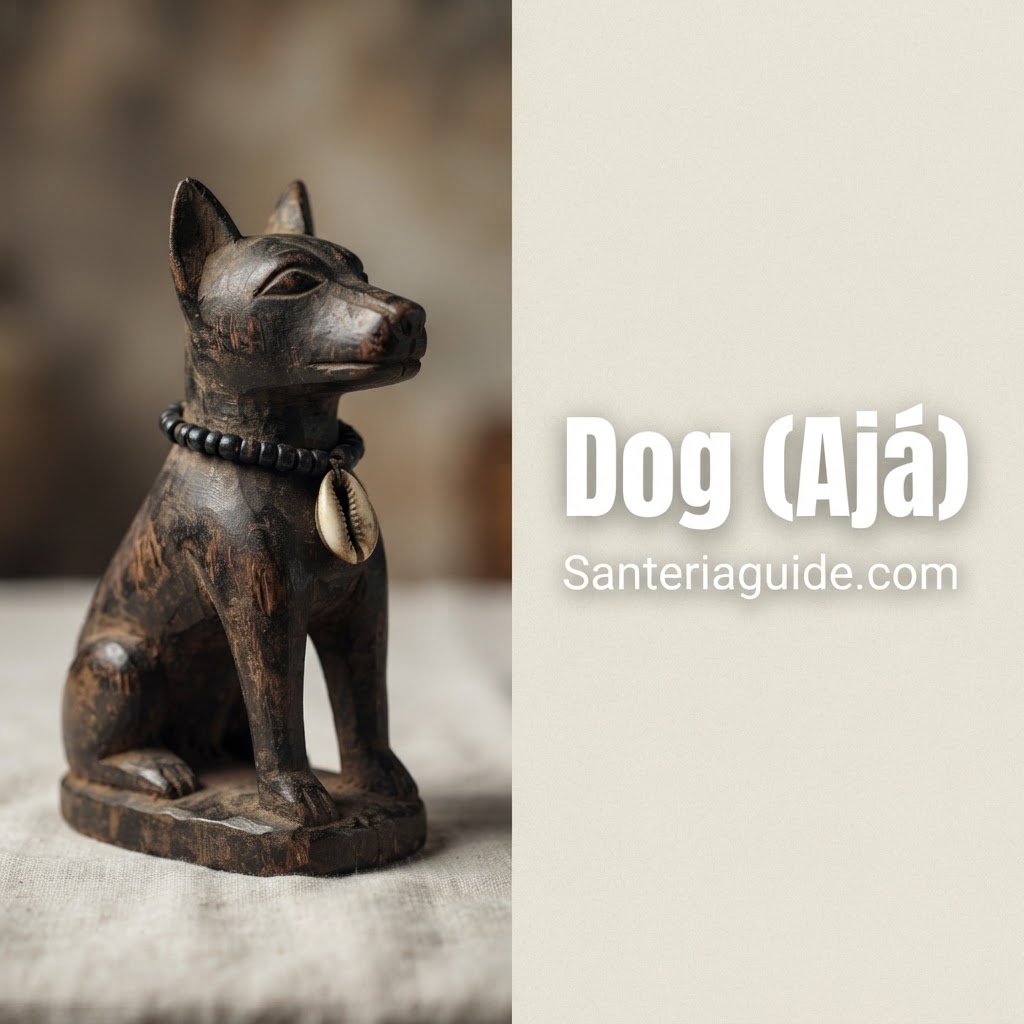
Dog (Ajá)
English: Spiritual guardian or messenger; emblem of vigilance and tracking in the unseen.
Lukumí / Notes: Associated with Eleguá and Babalu Ayé; embodies protection and spiritual sensing.
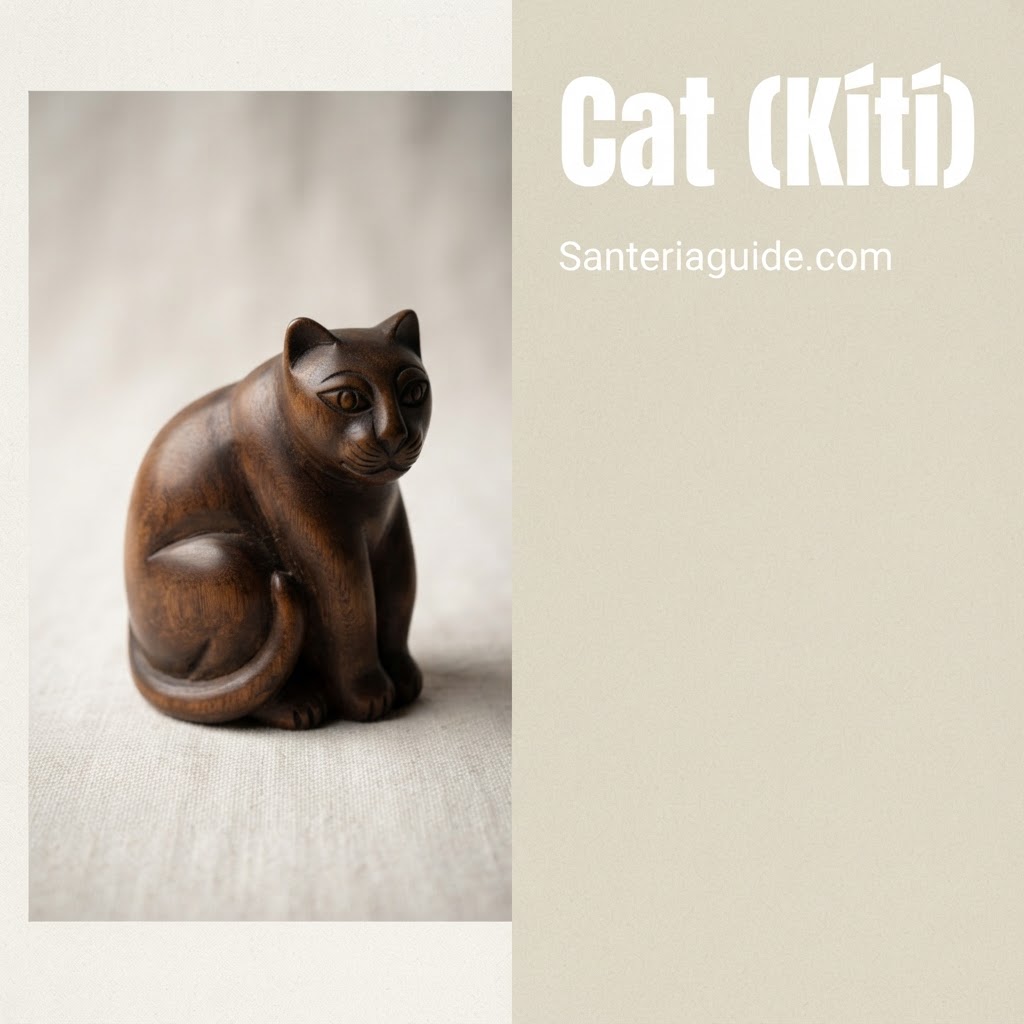
Cat (Kítí)
English: Symbol of mystery, agility, and protection; not typically used in rites.
Lukumí / Notes: Represents independent spiritual power and subtle watchfulness.
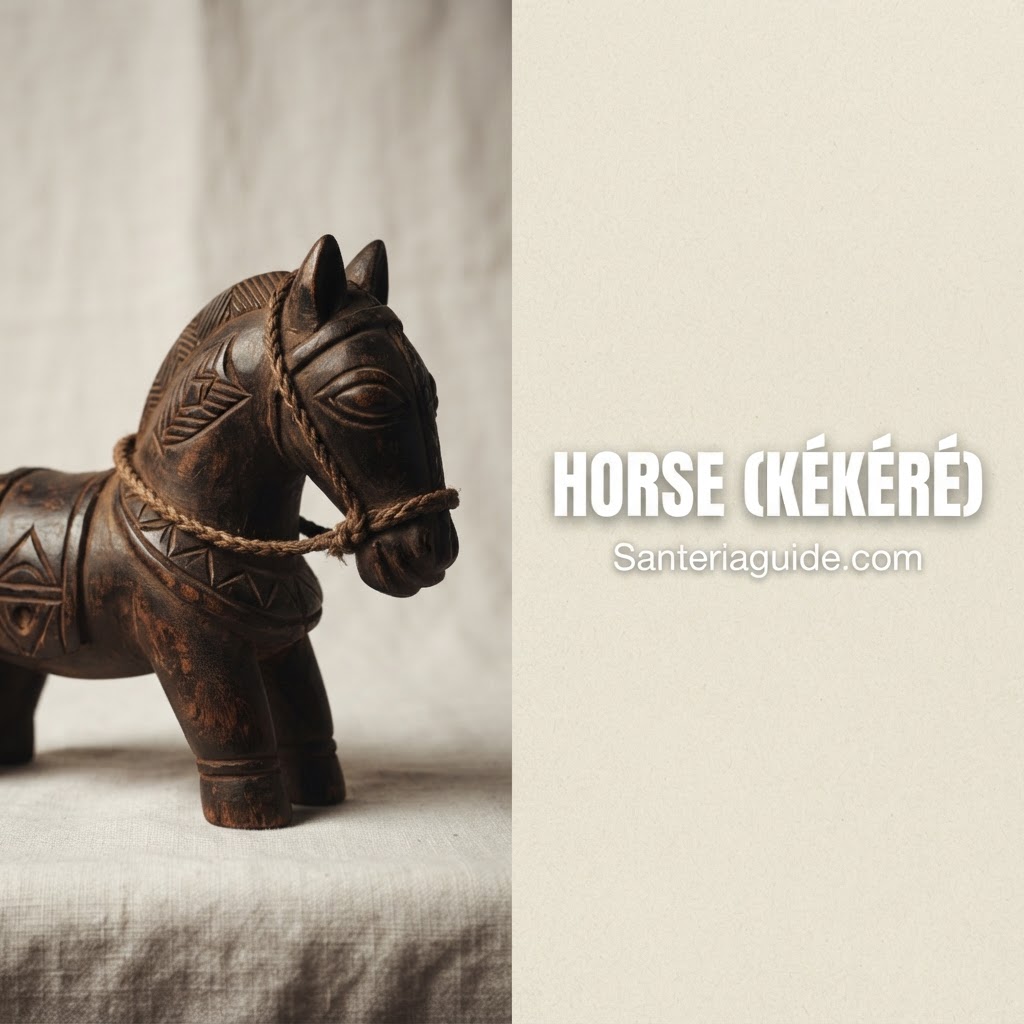
Horse (Kékéré)
English: Person “mounted” by an Orisha during trance possession; vessel for divine communication.
Lukumí / Notes: Also called “caballo” or “elegún”; the Orisha speaks or acts through this medium.
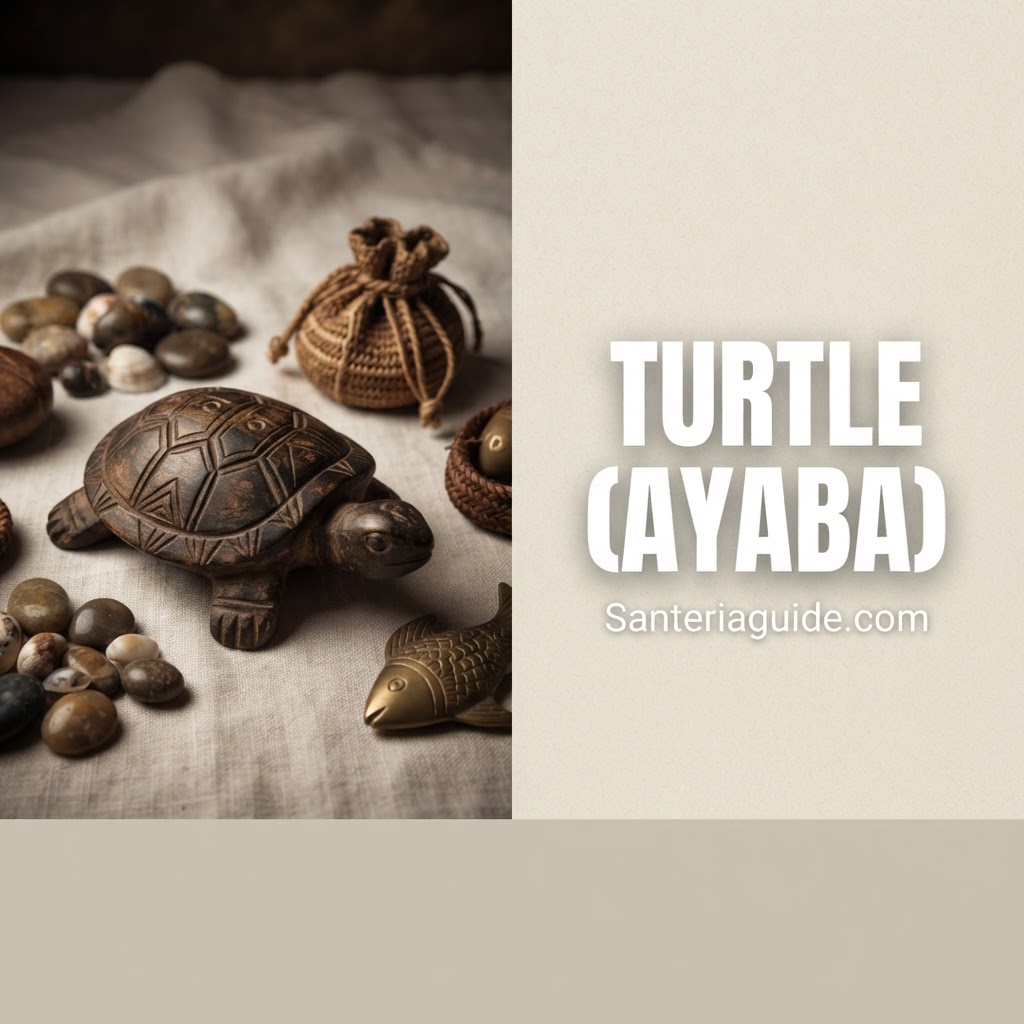
Turtle (Ayaba)
English: Symbol of wisdom, endurance, and dual nature of land and water.
Lukumí / Notes: Associated with Yemayá and Olokun; revered symbolically rather than sacrificed.
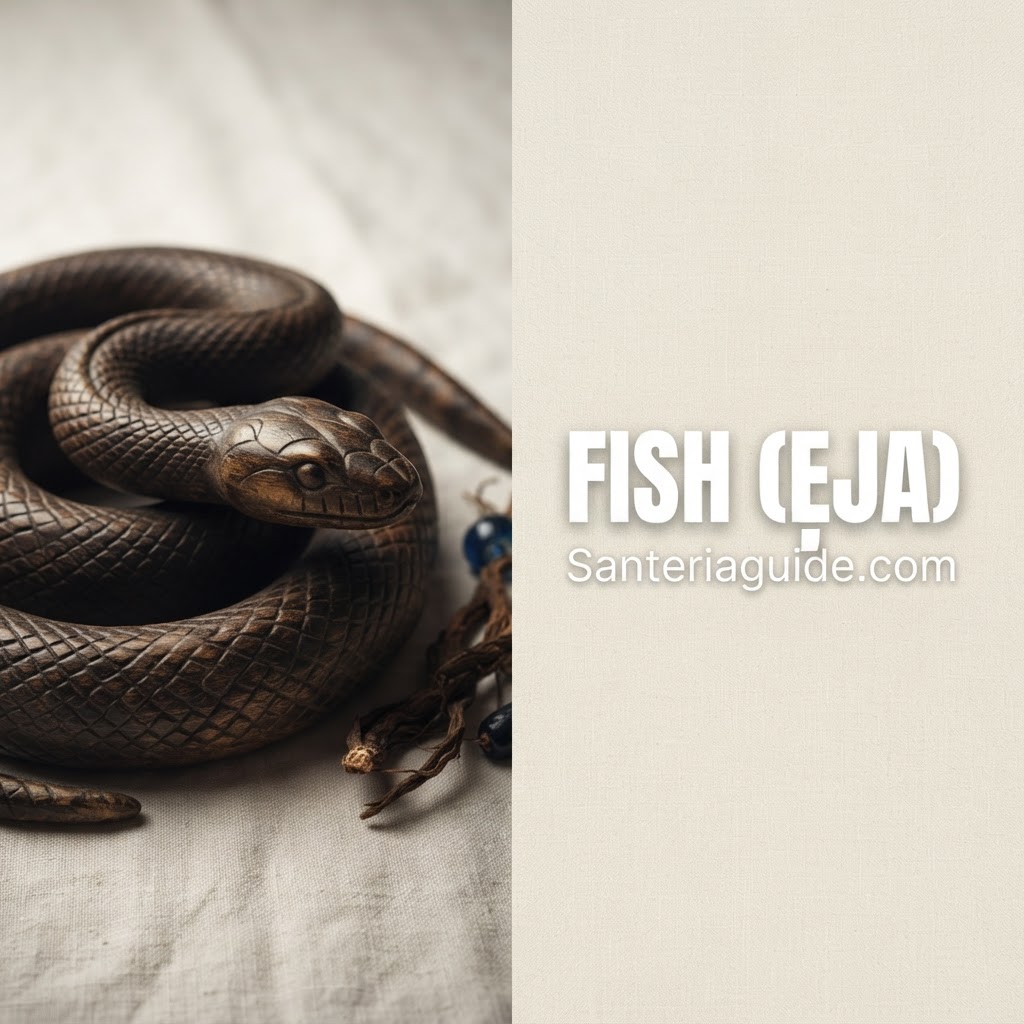
Fish (Ẹja)
English: Used in offerings to water Orishas; represents sustenance and flow.
Lukumí / Notes: Given to Yemayá, Ochún, and Olokun; embodies life’s currents and nourishment.
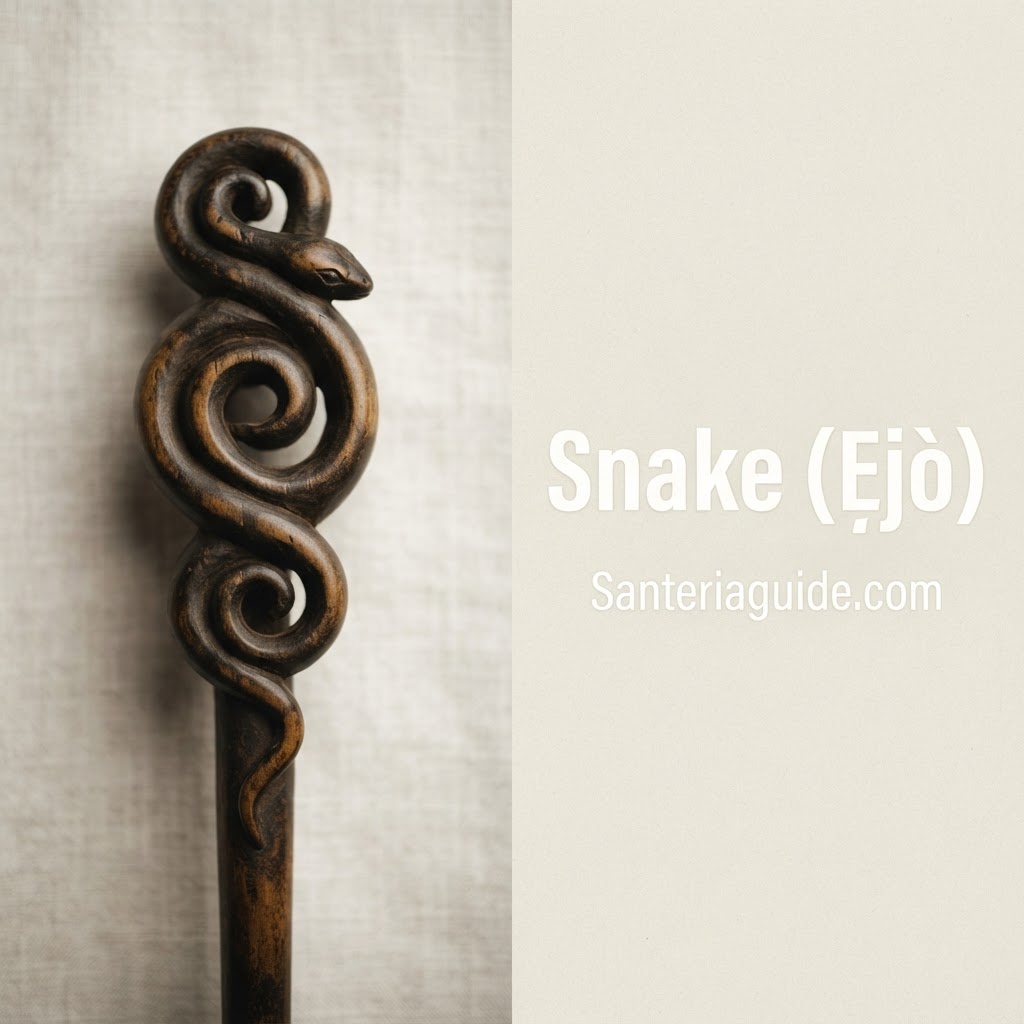
Snake (Ẹjò)
English: Symbol of transformation, knowledge, and the underworld.
Lukumí / Notes: Linked to Orunmila and Eggún; rarely sacrificed, revered for its wisdom.
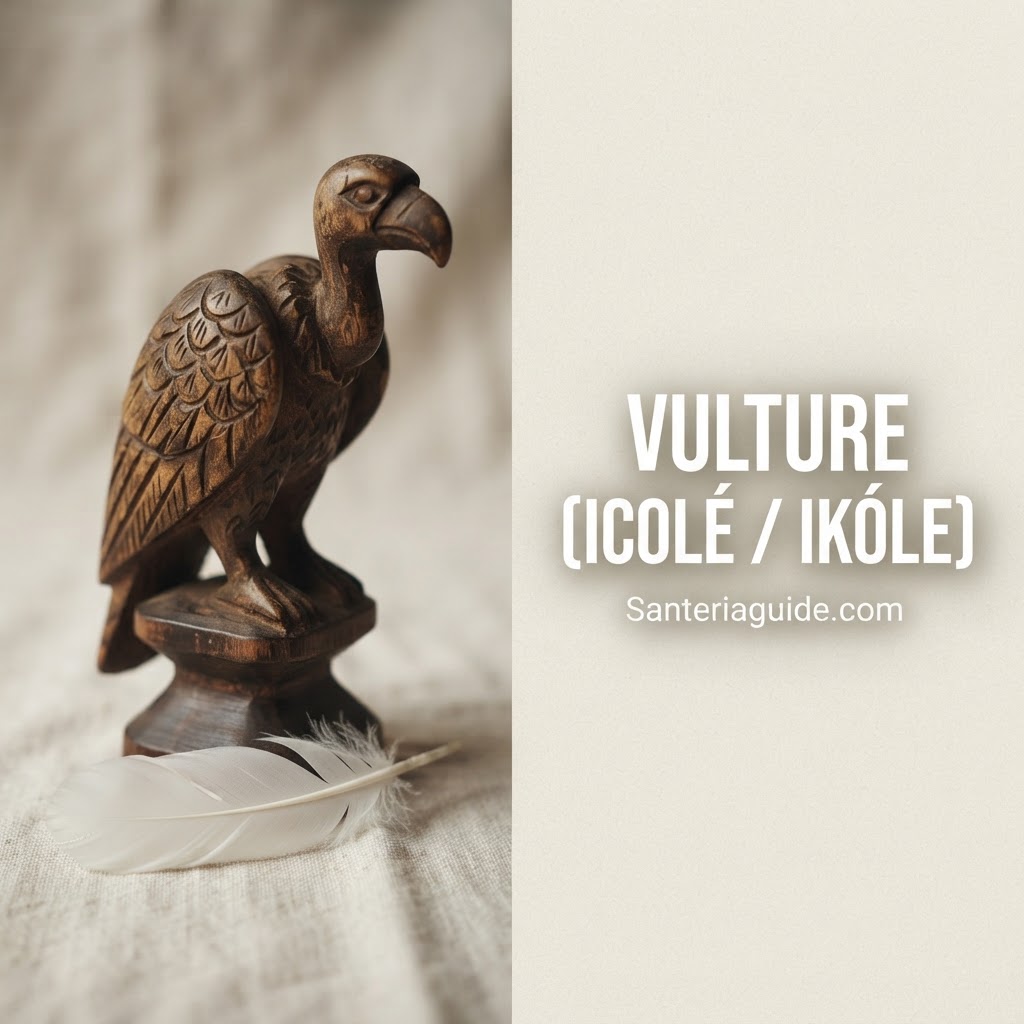
Vulture (Icolé / Ikóle)
English: Represents purification and removal of spiritual waste.
Lukumí / Notes: Sacred to Ochún; seen as a divine cleaner, carrying away decay.
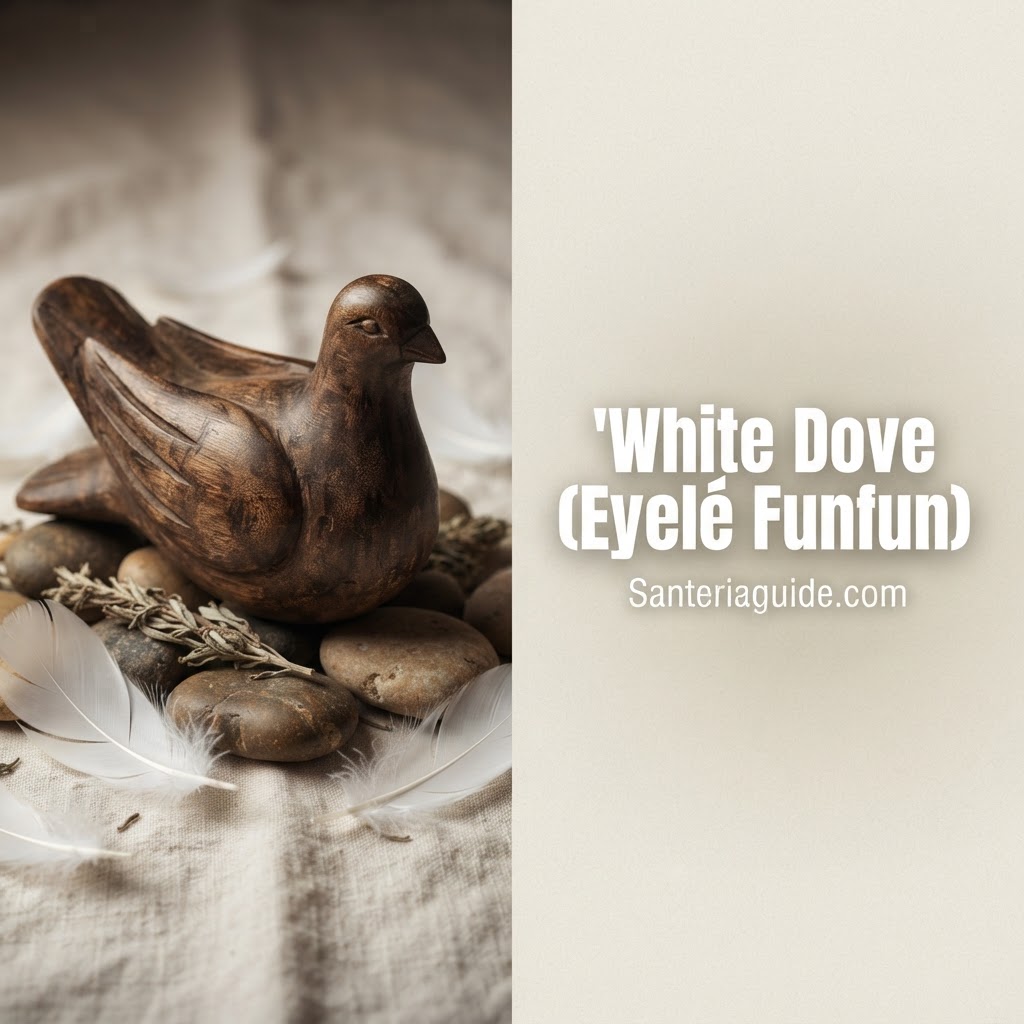
White Dove (Eyelé Funfun)
English: Extremely sacred bird symbolizing peace, clarity, and elevation.
Lukumí / Notes: Closely tied to Obatalá; never used in negative works.
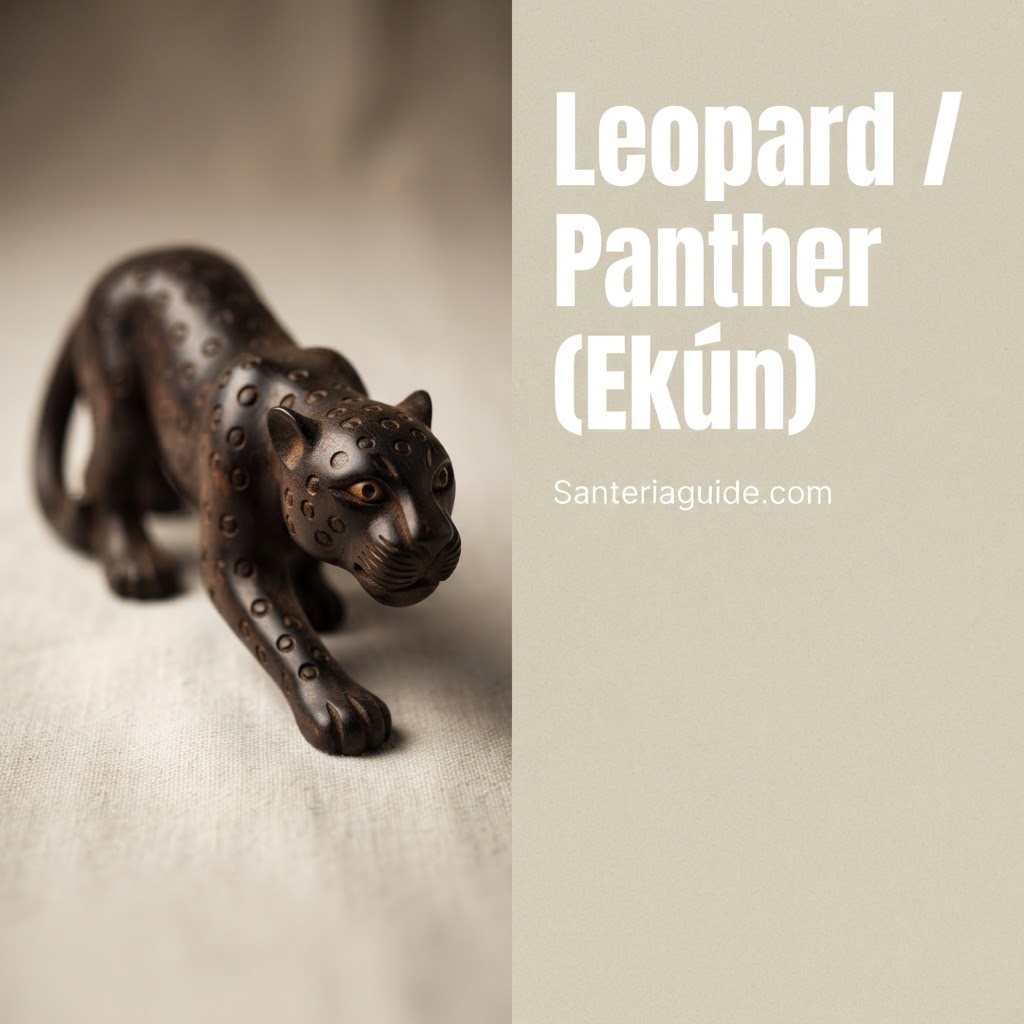
Leopard / Panther (Ekún)
English: Symbol of stealth, nobility, and power.
Lukumí / Notes: Associated with Oyá; appears in imagery and symbolism, not in sacrifice.
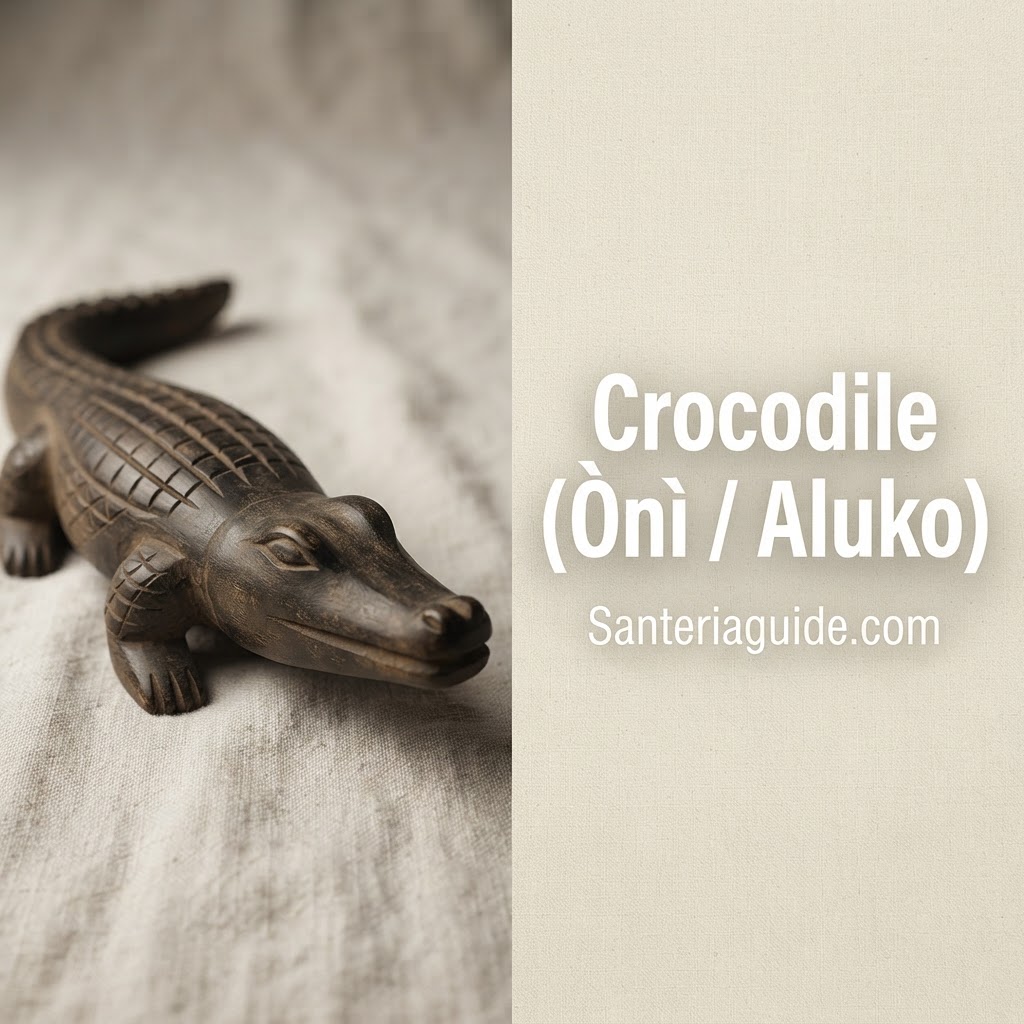
Crocodile (Ònì / Aluko)
English: Symbolic reptile appearing in patakís as guardian, transformer, and keeper of mysteries.
Lukumí / Notes: Connected to Olokun, Yemayá, and occasionally Ochosi; embodies ancient wisdom and liminal thresholds.
Elephant (Erin)
English: Symbol of ancestral memory, strength, and spiritual stability.
Lukumí / Notes: Linked to Obatalá and sometimes Oduduwá; used in iconography to represent enduring power.
If you feel called
Handmade by initiated Santeros · unconsecrated, ready for your elder
$50.00

Handmade by initiated Santeros · unconsecrated, ready for your elder
$15.00
Every piece ships unconsecrated so your elder can prepare it. Free US shipping over $95 · 14-day returns.
Written by
Bogarth Galvan
Initiated practitioner and writer at SanteriaGuide. Articles are reviewed by elders of the house before publication.
Before you decide
From the community
“As an aleyo I was nervous about buying the wrong thing. Their guides made it simple.”
Danielle P. · Atlanta, GA · Verified buyer
“The starter guide answered questions I was too shy to ask my padrino.”
Marcus T. · Chicago, IL · Verified buyer
“Clear explanations, no gatekeeping, and genuinely handmade pieces.”
Sofía G. · Los Angeles, CA · Verified buyer
Lucumí vocabulary
The vocabulary behind these articles, explained term by term.
No spam. Unsubscribe anytime.
Everything we send is a starting point. Ritual work belongs in the hands of an initiated elder — find yours before you begin.
Authenticity guaranteed
Handmade by initiated Santeros using traditional materials.
Fast, careful shipping
Ships next business day, wrapped for the altar.
30-day returns
Unused, unconsecrated pieces returned without fuss.
Secure checkout
Encrypted payment, card details never stored.
Keep reading


