SOLD OUT
SaleYemayá & Oshún Bracelet – Las Dos Aguas
Handmade by initiated Santeros · unconsecrated, ready for your elder
1 verified reviews
$25.00$35.00
✦ Free U.S. shipping over $65 · Handmade by initiated devotees · Ships next business day from Texas ✦
Why is Oshun called Iyalorde? Discover the significance behind this title and learn about Oshun's role as a leader, protector, and symbol of love and prosperity in Yoruba traditions.

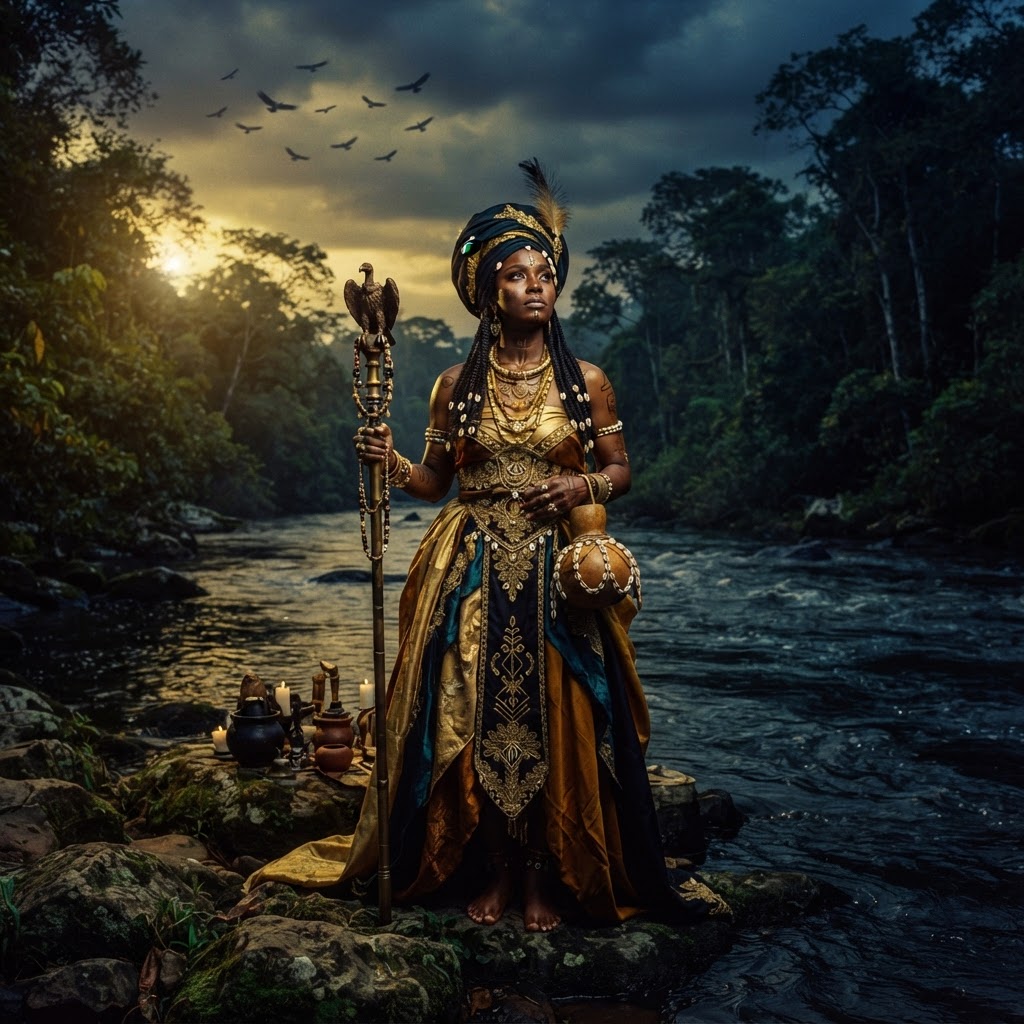
In Yoruba spirituality and Santería, Oshun is revered as the Orisha of love, beauty, and prosperity, acting as a profound source of divine feminine energy for all her devotees. But why is she often referred to as Iyalorde? This title is not just a name but a reflection of her powerful role as a leader, guide, and the embodiment of grace. In this blog, we’ll explore the meaning of Iyalorde, Oshun's role as a queen, and how she channels this sacred power in Yoruba traditions and the diaspora. For those looking to deepen their connection to her, explore our curated spiritual supplies dedicated to her path.
The title Iyalorde in Yoruba translates to "queen mother" or "leader of women." Historically, the Iyalorde was a high-ranking woman responsible for organizing community concerns and overseeing economic activities. This title aligns perfectly with Oshun’s role as a divine figure associated with prosperity and commerce. Mythologically, her position reflects her wisdom and leadership, showcasing how she expertly balances her divine feminine energy to ensure harmony, justice, and protection for all women within the tradition.
Oshun remains a central figure in Santería, inspiring those who seek empowerment, love, and prosperity. Her title as Iyalorde continues to resonate with modern seekers embracing their own sacred potential. By connecting with the river's flow, practitioners find inspiration for both personal growth and environmental stewardship.
Who is Oshun?
Oshun is the Orisha of love and beauty, serving as a protector of rivers and a symbol of femininity.
Why is Oshun called Iyalorde?
The title Iyalorde means "queen mother" in Yoruba. It reflects her role as a guide and leader for women and her association with justice.
What offerings does Oshun prefer?
Oshun favors honey, oranges, and sweet treats. Always remember to approach her with respect and sincerity.
Related tools
Handmade by initiated Santeros · unconsecrated, ready for your elder
$25.00$35.00

Handmade by initiated Santeros · unconsecrated, ready for your elder
$35.00

Handmade by initiated Santeros · unconsecrated, ready for your elder
$65.00
Every piece ships unconsecrated so your elder can prepare it. Free US shipping over $95 · 14-day returns.
Written by
Bogarth Galvan
Initiated practitioner and writer at SanteriaGuide. Articles are reviewed by elders of the house before publication.
Before you decide
From the community
“The irofá arrived ready for work — solid, balanced, exactly as my babalawo wanted.”
Omar B. · Union City, NJ · Verified buyer
“Used the mazo in my iyawó year. It held up through everything.”
Lisette F. · Tampa, FL · Verified buyer
“Every knot tight, every bead correct. These people know the tradition.”
Rafael O. · Bronx, NY · Verified buyer
Before you begin
What to ask before any ritual work begins — and what only an initiated elder can answer.
No spam. Unsubscribe anytime.
Everything we send is a starting point. Ritual work belongs in the hands of an initiated elder — find yours before you begin.
Authenticity guaranteed
Handmade by initiated Santeros using traditional materials.
Fast, careful shipping
Ships next business day, wrapped for the altar.
30-day returns
Unused, unconsecrated pieces returned without fuss.
Secure checkout
Encrypted payment, card details never stored.
Related collection · View all 23 pieces
Oshún elekes, mazos, ildés and pinaldos — handmade pieces in gold and yellow, the colours of the Orisha of love, beauty, prosperity and fresh water.
Keep reading