Collar De Bandera
Handmade by initiated Santeros · unconsecrated, ready for your elder
Ships next business day
$40.00
✦ Free U.S. shipping over $65 · Handmade by initiated devotees · Ships next business day from Texas ✦
Learn the vital importance of respect and restriction regarding the nganga in Palo Mayombe, and why these taboos are essential for spiritual safety and tradition.
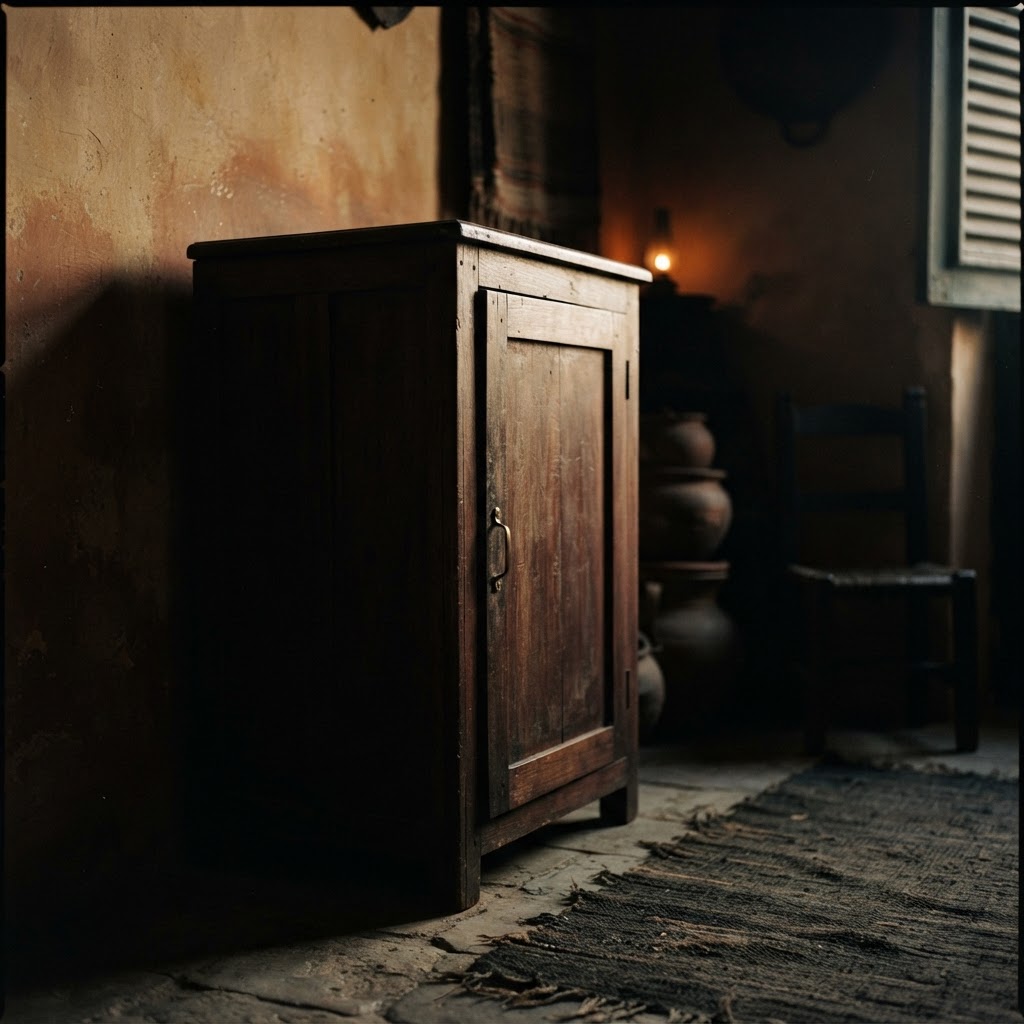
In the tradition of Palo Mayombe, the nganga—often referred to as a prenda—is far more than a physical object. It is a profound manifestation of ancestral energy, a living foundation that anchors the practitioner’s connection to the spirits of the earth. When we discuss respect and restriction: taboos around the nganga, we are not speaking of arbitrary superstitions or movie-style depictions of darkness. Instead, we are talking about the foundational ethics of a closed, initiatory tradition that prioritizes the safety, privacy, and integrity of both the practitioner and the guest. Understanding these boundaries is essential for anyone who wishes to engage respectfully with the Palo Mayombe 101 concepts of our religion.
Respect and restriction: taboos around the nganga serve as a sacred perimeter. The nganga is private and kept out of sight of the uninitiated. It is never touched, photographed, or discussed in public spaces. These rules exist because a prenda is a highly charged spiritual engine that requires specific protocols to maintain its balance. When an outsider asks to see or photograph a nganga, they may be unaware that they are asking for something deeply serious—a breach of sanctity that can disrupt the spiritual environment of a home or temple.
The practice of Palo Mayombe is a closed path. This means that certain ceremonies, objects, and teachings are reserved exclusively for those who have undergone initiation and have been granted the authority to handle them. The privacy surrounding the nganga is a matter of consent. When a Tata or Yayi houses a prenda, they are entering into a reciprocal relationship with the spirits residing within that iron pot. Maintaining a sacred, private space for the prenda is the primary way a practitioner honors that relationship.
Many people from outside the tradition may feel a sense of curiosity, often fueled by media portrayals. However, in our community, we view this curiosity differently. It is not about keeping secrets for the sake of being mysterious; it is about protecting the energetic stability of the home. Photography, for instance, is strictly prohibited because an image of a prenda carries a fraction of its essence. To capture that on a device that travels through the mundane world is considered an act of disrespect to the ancestors who reside within the vessel.
If you feel called
Handmade by initiated Santeros · unconsecrated, ready for your elder
$40.00

Handmade by initiated Santeros · unconsecrated, ready for your elder
$45.00
Every piece ships unconsecrated so your elder can prepare it. Free US shipping over $95 · 14-day returns.
Just as the nganga itself is restricted, the room or space that holds it is treated as a sanctuary. This is not a room for idle chatter or social gathering. It is a working space. When guests visit a house of Palo, they are usually invited into public areas, while the areas where the prendas are housed remain locked or shielded. This separation is a physical boundary that mirrors the internal, spiritual boundaries maintained by the practitioner.
Lucumí vocabulary
The vocabulary behind these articles, explained term by term.
No spam. Unsubscribe anytime.
Everything we send is a starting point. Ritual work belongs in the hands of an initiated elder — find yours before you begin.
If you find yourself in the home of a practitioner, your greatest act of respect is to follow their lead. Do not ask to see the 'back room' or inquire about what lies behind closed doors. By honoring these restrictions, you show that you understand the seriousness of the path and the importance of boundaries. If you are interested in further learning about the spiritual foundations of our faith, consider reading our guides on Afro-Cuban spiritual foundations to better understand why these protocols exist to ensure the safety and spiritual hygiene of our community.
Written by
SanteriaGuide
Initiated practitioner and writer at SanteriaGuide. Articles are reviewed by elders of the house before publication.
Before you decide
From the community
“As an aleyo I was nervous about buying the wrong thing. Their guides made it simple.”
Danielle P. · Atlanta, GA · Verified buyer
“The starter guide answered questions I was too shy to ask my padrino.”
Marcus T. · Chicago, IL · Verified buyer
“Clear explanations, no gatekeeping, and genuinely handmade pieces.”
Sofía G. · Los Angeles, CA · Verified buyer
Authenticity guaranteed
Handmade by initiated Santeros using traditional materials.
Fast, careful shipping
Ships next business day, wrapped for the altar.
30-day returns
Unused, unconsecrated pieces returned without fuss.
Secure checkout
Encrypted payment, card details never stored.
Related collection · View all 4 pieces
Palo Mayombe tools — ritual items for Tata Nkisis and Yayas, made with respect for a tradition rooted in ancestral wisdom and the forces of nature.
Keep reading