Collar De Bandera
Handmade by initiated Santeros · unconsecrated, ready for your elder
Ships next business day
$40.00
✦ Free U.S. shipping over $65 · Handmade by initiated devotees · Ships next business day from Texas ✦
Discover the foundations of Palo Mayombe, a profound Afro-Cuban tradition rooted in Bantu wisdom, the power of the nganga, and ancestral connection.
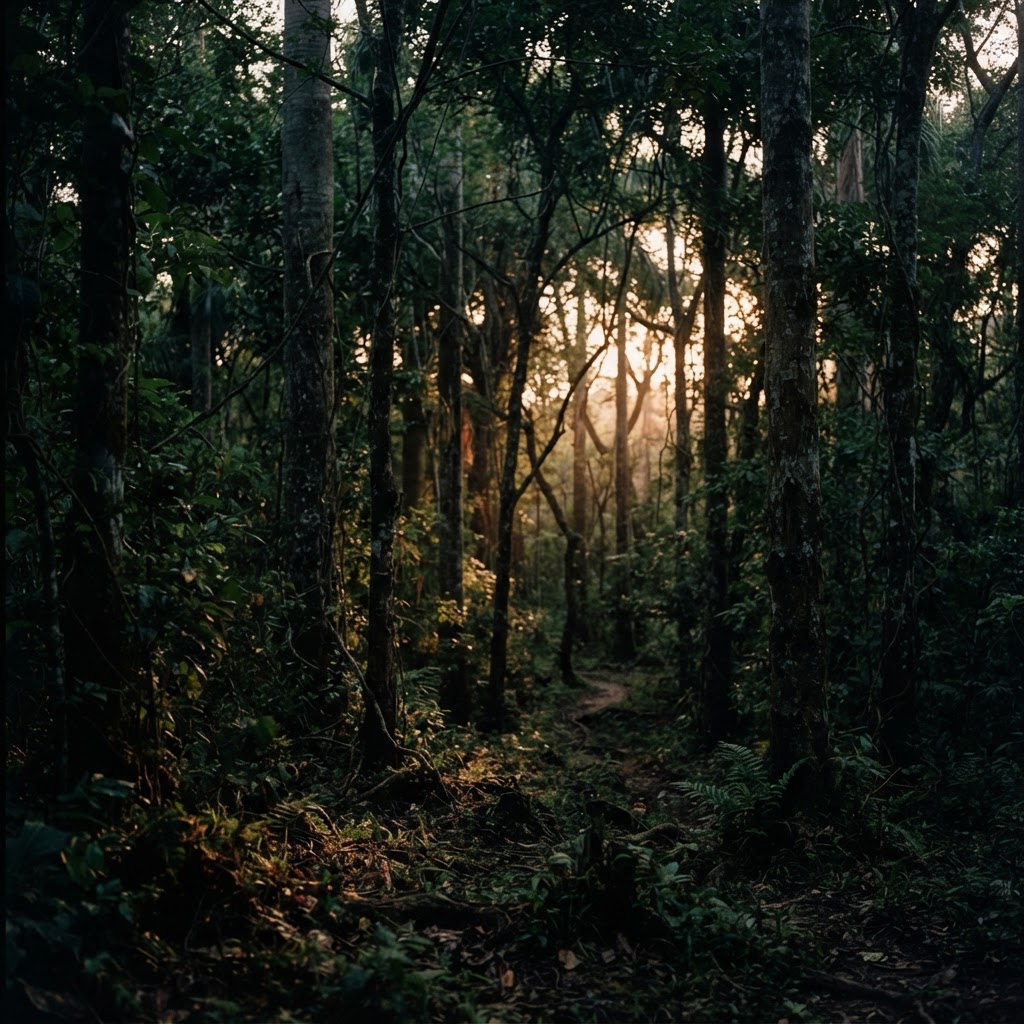
Palo Mayombe is an Afro-Cuban religious tradition that carries a profound and ancient legacy. At its heart, it is a spiritual practice with roots in the Bantu-speaking cultures of Central Africa, brought to Cuba during the transatlantic slave trade. Because it is a living, initiatory tradition, it relies on direct mentorship and lineage rather than written scripture. If you are curious about what Palo Mayombe is, it is best to view it as a path of deep connection to nature, the spirits, and the wisdom of the ancestors.
Palo Mayombe, often simply called Palo, is distinct from traditions like Lukumi (Santeria), though they often exist in the same cultural environment in Cuba. While Lukumi focuses heavily on the Orishas, Palo is primarily focused on the working relationship between the practitioner and the spirit world through the nganga, or prenda. It is a tradition that demands respect, patience, and a humble heart.
The history of Palo is one of survival and resilience. Enslaved people from the Congo-Angola region carried their spiritual understanding to the Caribbean. They maintained their relationship with the natural world—the trees, the earth, the water, and the spirits of the dead—as a means of maintaining their identity and strength. Over centuries, these practices evolved in the Cuban landscape, integrating into the local culture while retaining their distinct Bantu core.
Central to this tradition is the belief that everything in nature possesses a spirit, a force that can be engaged through ritual. The practitioners of Palo do not see the world as divided between the sacred and the mundane; rather, they see a world alive with spiritual energy that can be directed for healing, protection, and spiritual growth.
One of the most frequent questions from those researching the tradition is about the nganga. The nganga is the spiritual powerhouse of a Palo house. It is an iron vessel containing sacred objects, herbs, bones, and earth that serves as the home for a spirit. It is through the nganga that the practitioner communes with the mpungos. The mpungos are powerful spiritual forces that embody aspects of nature. Unlike the Orishas of Lukumi, the mpungos are distinct, though they are often misunderstood by outsiders who attempt to map them one-to-one with other pantheons.
Related tools
Handmade by initiated Santeros · unconsecrated, ready for your elder
$40.00

Handmade by initiated Santeros · unconsecrated, ready for your elder
$45.00

Handmade by initiated Santeros · unconsecrated, ready for your elder
$45.00
Every piece ships unconsecrated so your elder can prepare it. Free US shipping over $95 · 14-day returns.
It is important to emphasize that the nganga is not something to be studied from a distance or learned via books. It is a sacred reality that requires initiation and a deep, lifelong commitment to a lineage. For those who wish to learn more about these spiritual forces, you can browse our Mpungo Profiles to see how they are honored within the context of Afro-Cuban religion.
Palo is organized into religious families known as houses. Within a house, you will find a hierarchy led by a Tata (a priest) or a Yaya (a priestess). These figures act as spiritual elders, guiding those who seek to learn the tradition through the process of initiation. Initiation in Palo is not a casual step; it is a profound commitment to the spirits, the ancestors, and the community of the house.
The relationship between a student and their padrino (godfather) or madrina (godmother) is the bedrock of the tradition. Because Palo is a closed, initiatory system, one cannot simply learn these practices on their own. The knowledge is passed down through oral tradition and direct experience. If you are feeling called to the path, the only responsible way to proceed is to seek out a reputable house and build a relationship based on trust and mutual respect.
Before you begin
What to ask before any ritual work begins — and what only an initiated elder can answer.
No spam. Unsubscribe anytime.
Everything we send is a starting point. Ritual work belongs in the hands of an initiated elder — find yours before you begin.
If you are an outsider looking into Palo Mayombe, the most important thing you can offer is patience. Avoid the sensationalist portrayals often found in movies or internet forums. Palo is a grounded, serious, and deeply honorable tradition focused on the practical realities of life, health, and spiritual alignment. Do not attempt to buy ritual items or perform ceremonies you have seen online. These items, such as Mpaka eleke or other ritual objects, are consecrated tools that function only within the context of a living, initiated lineage.
Instead, focus on reading history, understanding the cultural context of the Congo in Cuba, and respecting the boundaries of the faith. If you are truly called, you will eventually find your way to the right teachers. Until then, learn with an open mind and a quiet heart. For a broader overview of the tradition's role in the Afro-Cuban landscape, feel free to read our Palo Mayombe 101 guide.
Written by
SanteriaGuide
Initiated practitioner and writer at SanteriaGuide. Articles are reviewed by elders of the house before publication.
Before you decide
From the community
“The irofá arrived ready for work — solid, balanced, exactly as my babalawo wanted.”
Omar B. · Union City, NJ · Verified buyer
“Used the mazo in my iyawó year. It held up through everything.”
Lisette F. · Tampa, FL · Verified buyer
“Every knot tight, every bead correct. These people know the tradition.”
Rafael O. · Bronx, NY · Verified buyer
Authenticity guaranteed
Handmade by initiated Santeros using traditional materials.
Fast, careful shipping
Ships next business day, wrapped for the altar.
30-day returns
Unused, unconsecrated pieces returned without fuss.
Secure checkout
Encrypted payment, card details never stored.
Related collection · View all 4 pieces
Palo Mayombe tools — ritual items for Tata Nkisis and Yayas, made with respect for a tradition rooted in ancestral wisdom and the forces of nature.
Keep reading