Collar De Bandera
Handmade by initiated Santeros · unconsecrated, ready for your elder
Ships next business day
$40.00
✦ Free U.S. shipping over $65 · Handmade by initiated devotees · Ships next business day from Texas ✦
Curious about the differences between Palo Mayombe and Santeria? We explore the origins, spirits, and unique practices of these two distinct Afro-Cuban traditions.
In the vibrant tapestry of Afro-Cuban spiritual traditions, newcomers often encounter the terms Palo Mayombe and Santeria (Lucumi) simultaneously. Because both religions share a geographic history in Cuba and a deep devotion to ancestral spirits, it is common to wonder how Palo Mayombe vs Santeria differ. Understanding these paths requires looking at their unique origins, theological frameworks, and the distinct ways they serve the community.
Core Differences at a Glance
While both traditions are profound, earth-based, and initiatory, they are not the same. Santeria is rooted in the Yoruba culture of West Africa, focusing on the Orishas and a centralized concept of Ashe. Palo Mayombe, conversely, originates from the Bantu-speaking peoples of the Congo Basin, emphasizing a direct relationship with the spirits of nature and the dead, housed within the physical vessel known as the Nganga or Prenda. One is not a version of the other; they are distinct rivers flowing from different African headwaters.
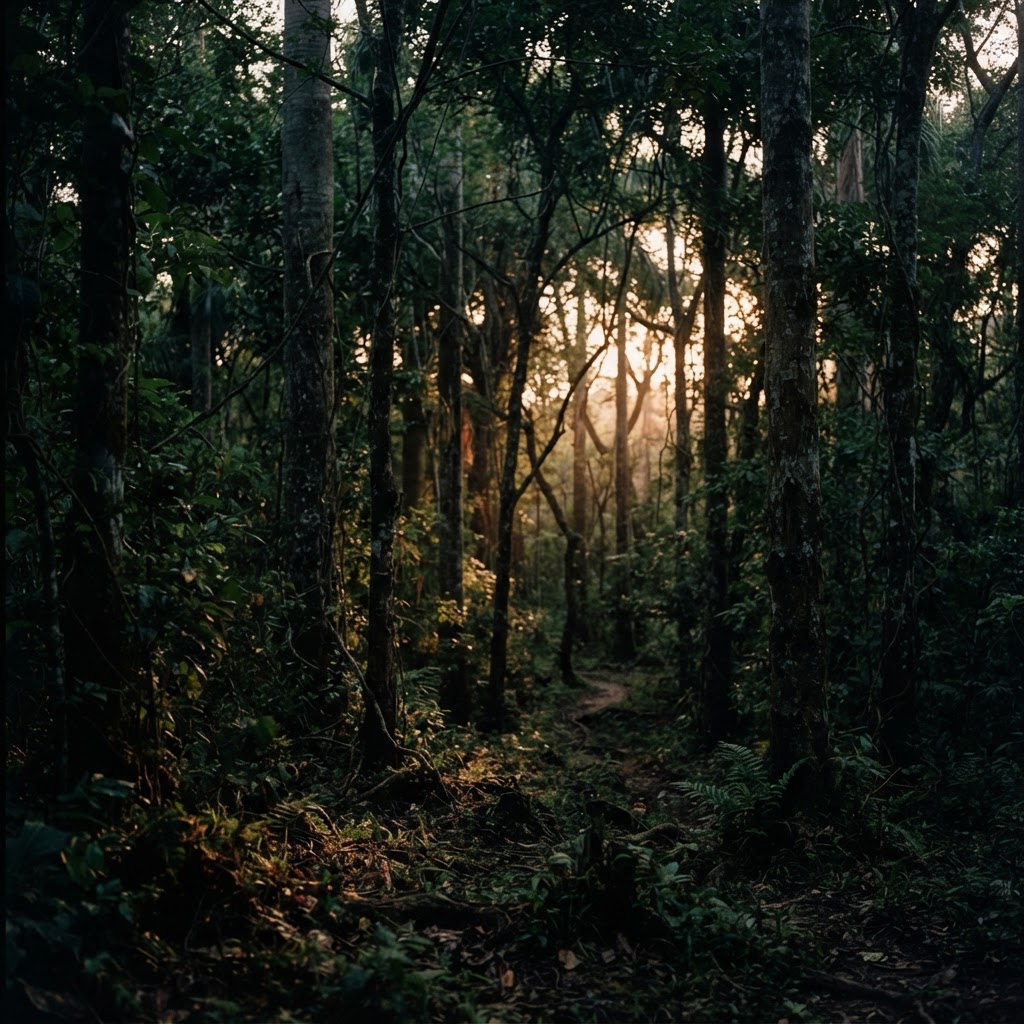
The distinction begins with geography. Santeria, or Regla de Ocha, emerged primarily from the Yoruba people in what is now Nigeria and Benin. These traditions emphasize a complex pantheon of deities known as Orishas. Palo Mayombe, or Regla de Congo, traces its roots to the Bantu peoples of the Congo and Angola. The cosmological focus of Palo centers heavily on the nkisi—a vessel that acts as a spiritual laboratory—and a profound connection to the spirits of the ancestors and the forces of the natural world.
In Santeria, practitioners interact with the Orishas, who are deified ancestors or personified forces of nature like Shango, Oshun, or Yemaya. In Palo Mayombe, the central entities are known as Mpungos. While both sets of spirits govern aspects of human life, their theological "personality" differs. Orishas are often approached through ritual sacrifice, divination (like the Diloggun), and song. The relationship with the Mpungo is usually mediated through the Nganga, requiring a deep, long-term commitment that is fundamentally different from the structure of an Orisha shrine.
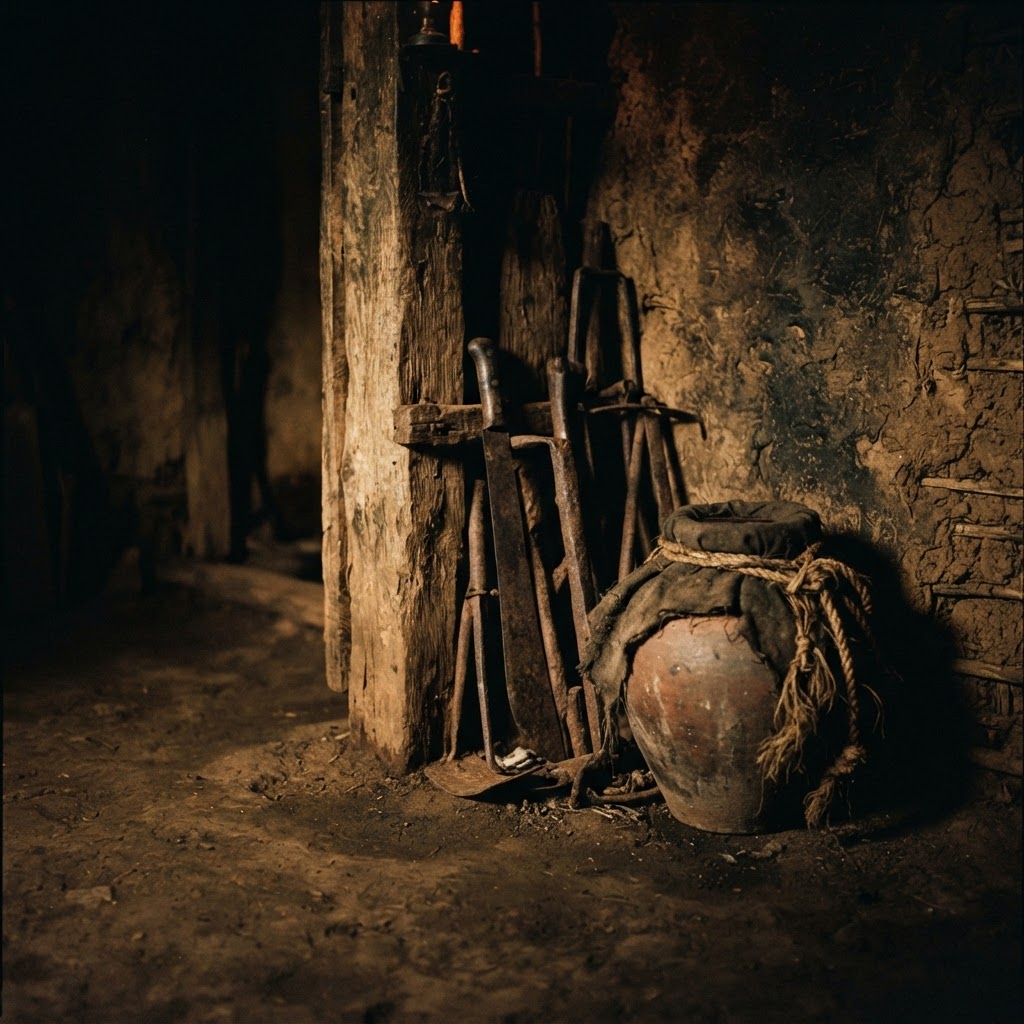
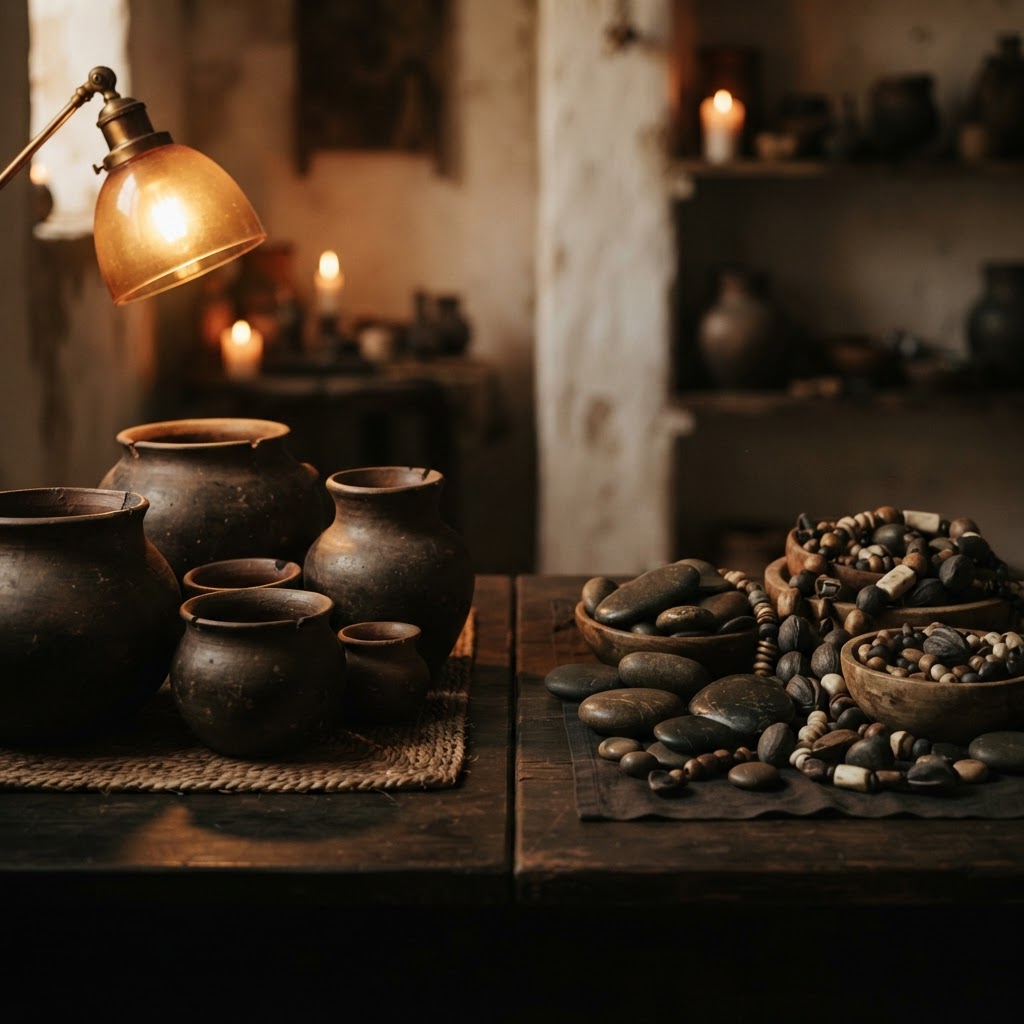
The visual and physical markers of these faiths are distinct. Santeria utilizes soperas (tureens) to house the sacred otanes (stones) that represent the Orishas. Palo Mayombe is centered on the Nganga, an iron pot containing earth, bones, sticks, and other sacred materials, which acts as a living, breathing spiritual entity. You can learn more about these foundational concepts by reading our Palo Mayombe 101 guide or exploring our Mpungo Profiles.
Related tools
Handmade by initiated Santeros · unconsecrated, ready for your elder
$40.00

Handmade by initiated Santeros · unconsecrated, ready for your elder
$45.00

Handmade by initiated Santeros · unconsecrated, ready for your elder
$45.00
Every piece ships unconsecrated so your elder can prepare it. Free US shipping over $95 · 14-day returns.
Both traditions are strictly initiatory, meaning one cannot simply "read a book" to become a priest. In Santeria, the initiation (making Ocha) is a multi-day ceremony involving the crowning of the Orisha. In Palo Mayombe, the initiation (Rayamiento) focuses on the individual's relationship with their spiritual lineage and the specific Nganga of their house. Because both paths are closed, respectful inquiry through an elder is the only way to seek membership.
Before you begin
What to ask before any ritual work begins — and what only an initiated elder can answer.
No spam. Unsubscribe anytime.
Everything we send is a starting point. Ritual work belongs in the hands of an initiated elder — find yours before you begin.
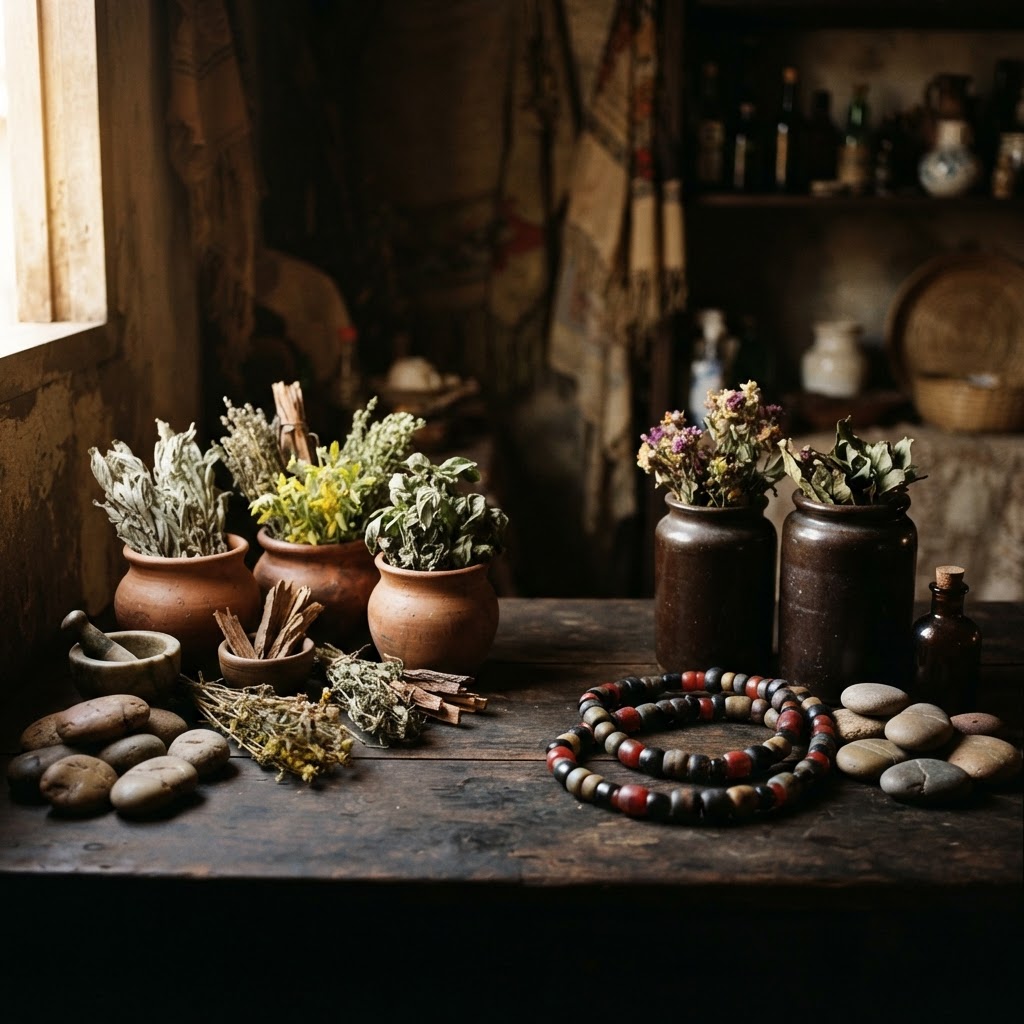
It is a common misconception that one must choose between these traditions. In the reality of Cuban religious practice, many individuals are both Santeros and Paleros. These paths often support one another, serving different "spiritual jobs" in a person's life. Rather than seeing Palo as a "dark" version of Santeria, it is more accurate to see it as a different toolset—one that is highly pragmatic, swift, and deeply tied to the secrets of the forest and the earth. Respecting these boundaries while acknowledging their mutual existence is key to understanding the full scope of our community's heritage.
Written by
SanteriaGuide
Initiated practitioner and writer at SanteriaGuide. Articles are reviewed by elders of the house before publication.
Before you decide
From the community
“The irofá arrived ready for work — solid, balanced, exactly as my babalawo wanted.”
Omar B. · Union City, NJ · Verified buyer
“Used the mazo in my iyawó year. It held up through everything.”
Lisette F. · Tampa, FL · Verified buyer
“Every knot tight, every bead correct. These people know the tradition.”
Rafael O. · Bronx, NY · Verified buyer
Authenticity guaranteed
Handmade by initiated Santeros using traditional materials.
Fast, careful shipping
Ships next business day, wrapped for the altar.
30-day returns
Unused, unconsecrated pieces returned without fuss.
Secure checkout
Encrypted payment, card details never stored.
Related collection · View all 4 pieces
Palo Mayombe tools — ritual items for Tata Nkisis and Yayas, made with respect for a tradition rooted in ancestral wisdom and the forces of nature.
Keep reading